
In April 2022, the Smithsonian adopted a Shared Stewardship and Ethical Returns Policy. The policy acknowledges that ethical norms and professional best practices in collecting have changed. The Smithsonian has collections that it would not have acquired under present-day standards. Although the Smithsonian has legal title or custody of its collections, continued retention or sole stewardship may cause harm to descendants or communities and be fundamentally inconsistent with the Smithsonian’s ethical standards and values. In these circumstances, shared stewardship or ethical return may be appropriate.
The Smithsonian recognizes the value of community representation in its collections. Preserving and making available to the public—with honor and respect—a diverse range of collections, stories, and histories is essential to carrying out the Smithsonian’s role as collaborative custodian of cultural and historical legacies. Therefore, the Smithsonian is committed to working transparently and in consultation with individuals, descendent communities, and other stakeholders to consider matters of shared stewardship and the potential return of collections based on ethical considerations.
“This new policy is a cultural shift in our concepts of possession, ownership, and stewardship of collections. Its adoption is an expression of our values and commitment to meet our ethical obligations as a national and international cultural institution.”
—Secretary Lonnie G. Bunch III
For more information about the Smithsonian’s policy on shared stewardship and ethical returns, visit the National Collections Program website.
Shared Stewardship of Collections
At the Center for Folklife and Cultural Heritage, we invite artists, performers, Folklife Festival participants, community-based scholars, and knowledge-keepers to collaboratively steward representations of themselves and their intangible cultural heritage in the media that we produce, curate, and distribute.
Our Shared Stewardship of Collections policy affirms the Center’s commitment to consult with source communities and defines our protocols for addressing collections-related inquiries and concerns. We encourage contributions of authoritative knowledge about the heritage collections and associated documentation in our care, particularly regarding matters of attribution, context, meaning, interpretation, provenance, and the identity of artists, performers, musicians, and storytellers.
Community members can reach out to us to discuss our Shared Stewardship of Collections Policy and explore avenues for collaboration. Examples of collaborative stewardship may include help finding items, receiving copies, correcting and adding to the metadata about the items (e.g. names, communities, titles, genres), and starting larger conversations about accessibility.
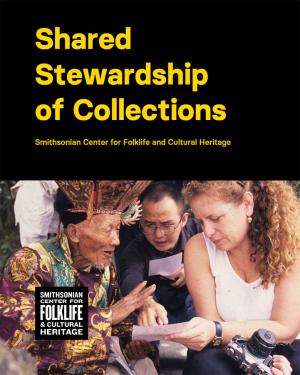
Click to open the Shared Stewardship of Collections policy in FigShare
Exploring the Archives
How to explore your connections to the materials in the Ralph Rinzler Folklife Archives:
- You can begin searching all Smithsonian collections through the Collections Search Center and Smithsonian Online Virtual Archives (SOVA).
- If you know you are looking for materials specifically within the Rinzler Archives, you can search our finding aids or reach out to the Archives staff.
For Shared Stewardship inquiries and requests, email CFCH-SharedStewardship@si.edu. All requests are shared with the Center’s Collections Advisory Committee and Shared Stewardship working group. Please allow ten business days for us to respond. We may reach out to other Smithsonian museums and research centers to provide a more detailed response.

The renovated Ralph Rinzler Folklife Archives and Collections repository
Photo by Sonya Pencheva, Ralph Rinzler Folklife Archives
Articles

By Robert Leopold
With these guidelines, we aim to foster sustained dialogue with source communities and promote greater engagement with their heritage collections.
By Elisa Hough
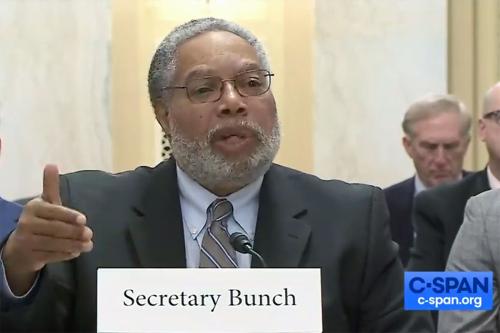
During the hearing, Bunch acknowledged the work of the Center as a model for the rest of the Smithsonian.
By Haley Gallagher and Iris Bennett
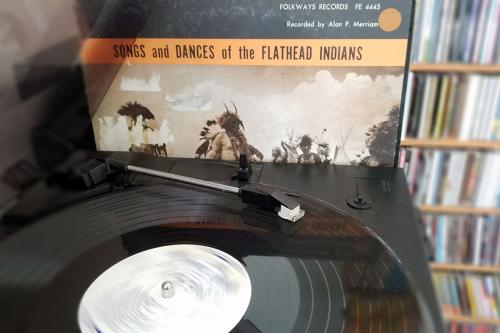
Giving Indigenous performers and communities the clear ability to control or refine sensitive materials should be a priority.