
Through language, we pass down traditional knowledge and skills—the foundation for who we are and our shared futures. Languages are expressions of collective identity. They record and reveal how people understand and interact with each other and the world around them, and they serve as a tool for community and individual creative expression.
Nearly eighty percent of the world’s languages are Indigenous, and/or minoritized. Social, economic, and political forces—like urbanization, oppression, war, genocide, climate change, and mass production of culture—pressure these languages and cultures to assimilate. In an effort to reverse this shift, thousands of communities, governments, and NGOs worldwide have committed to language reclamation and maintenance efforts. These efforts include advocacy work, enacting supportive policies, creating new approaches to first- and second-language acquisition, and strengthening family and community lifestyles that nourish language use.
Our work promotes language use in new and traditional contexts and strengthens engagement in cultural heritage. We conduct research to better support innovative community projects and understand how socio-historical events impact language communities today. To do this work, we are motivated by these actions and questions:
- How are skills that lead to language vitality effectively transferred?
- How do language communities adapt to a changing world?
- How can the Smithsonian connect language practitioners and share knowledge?
- How do we create an environment that fosters additive bilingualism in the United States and supports Indigenous and minoritized language communities?
With the Language Vitality Initiative, the Center supports vitality of Indigenous and minoritized languages and their communities. We recognize that reclamation is a long-term and often painful process that encompasses community strengthening and wellness rooted in traditional ways of knowing and learning. We are dedicated to collaborating with language communities in ways that respect their ethical principles and cultural norms and that support their language and cultural goals.
What We Do
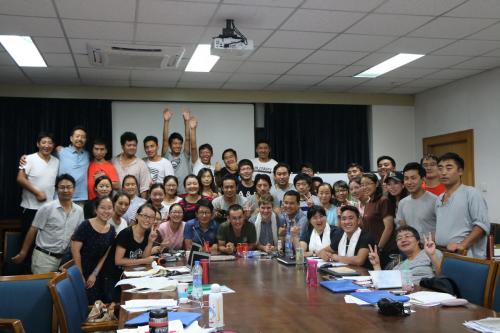
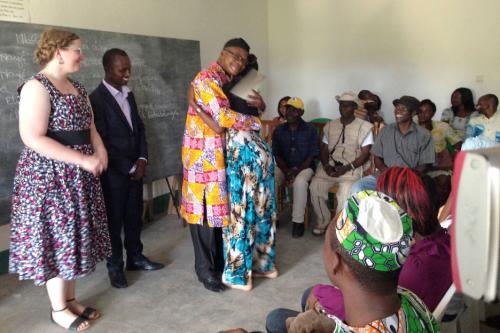
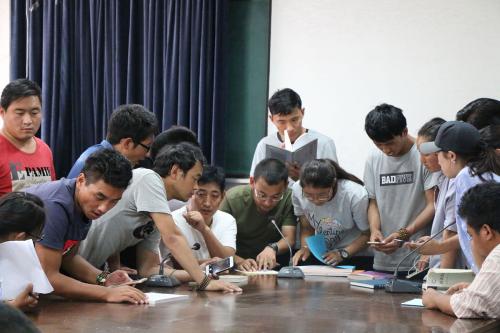
Students of the 2016 Sino-Tibetan Language and Linguistics Summer Institute pose with instructors rGyathar, Youjing Lin, and Nate Sims (right to left in khata scarves) after completing their field methods class.
Photo by Pemba Lhamo, courtesy of Nankai University
Train
We partner with organizations to offer training in language and cultural documentation, descriptive linguistics, bilingualism, language attitudes, archiving, and approaches to reclamation, language education, and materials development. Some aspects of language reclamation take specific training that can be unavailable or inaccessible to many. We provide training and internship opportunities to address these needs. Our programs are scalable and can serve as adaptable models for local educational needs.
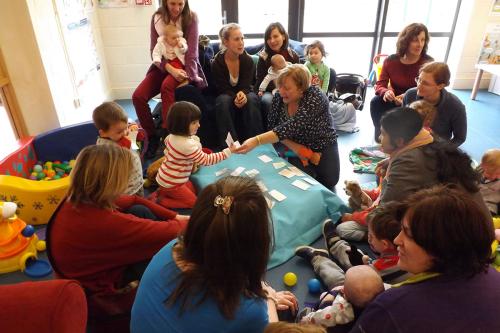
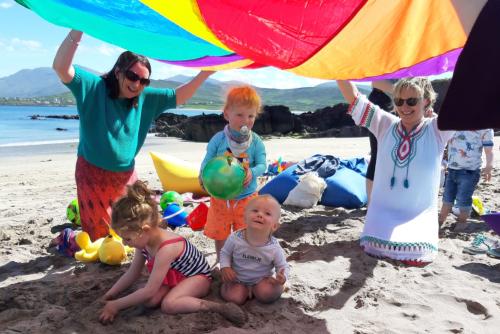
Tús Maith, an effort to support families raising their children with Irish language, host a language skills playgroup in Ballyferriter, Ireland.
Photo courtesy of Oidhreacht Chorca Dhuibhne
Innovate
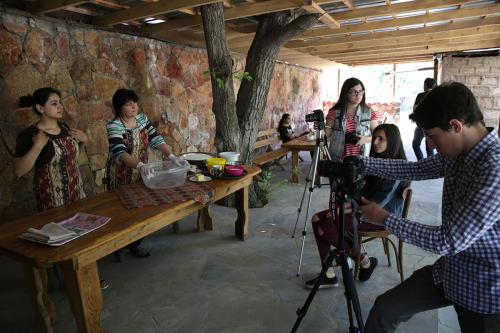
We support innovative, community-driven projects that strengthen engagement with language. These potentially transformative “incubator” projects often focus on increasing youth involvement, either as the primary language-learning target or as the project instigators. We collaborate in project development and through guided project reflection and impact evaluation. While these projects are driven by specific community needs, by understanding project processes and successes, they can be replicated in other contexts.
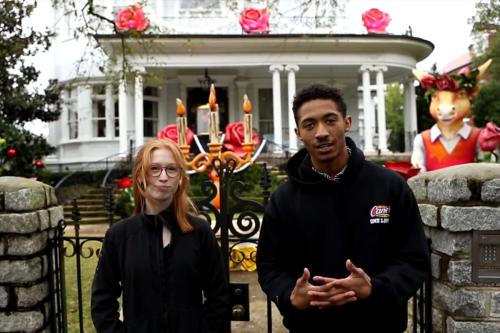
Amelia Dunn and Taalib Auguste host a short video feature about Mardi Gras 2021.
Photo courtesy of LACréole Show
Amelia Dunn and Taalib Auguste host a short video feature in Creole French about Mardi Gras 2021.
Photo courtesy of LACréole Show
Network
Our initiative builds accessibility to emerging best practices in language reclamation. We do this by leveraging our networks and institutional position to connect programs and individual language practitioners with resources, mentoring and career opportunities, and with other programs, practitioners, and scholars. We share our research and collaborative methodologies in public and academic venues.
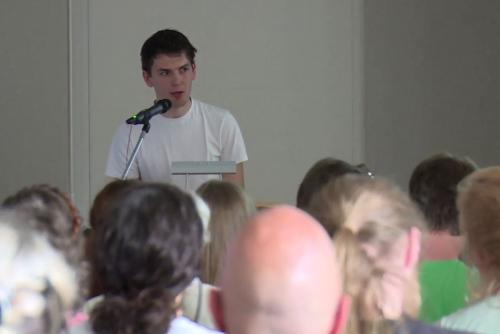
Lower Sorbian language practitioner Grigor Kliem discusses findings from SMiLE research at a Sorbian community meeting at Bautzen/Budyšin in 2019.
Photo courtesy of Władysław Rybiński
Advocate
We also engage majority-language speakers to embrace unique voices and worldviews to create healthy multilingual communities within the United States and worldwide. We work to increase the visibility of language issues and uplift the communities and practitioners who champion their languages through the Mother Tongue Film Festival, the Smithsonian Folklife Festival, Folklife Magazine, and public talks. Sharing language stories leads to a greater understanding and acceptance of linguistic and cultural diversity.
Educational Materials
Projects
- Innovate, Network
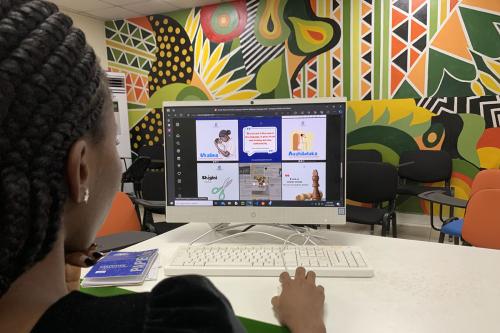
2024 Language Lodge Opens March 12 to Amplify Languages in Digital Spaces
March 2024Visitors can apply to the 2024 Language Lodge, a free six-week series of workshops and challenges to co-create media with language communities around the world.
- Network, Train, Advocate
Virtual Learning Series with the Administration for Native Americans
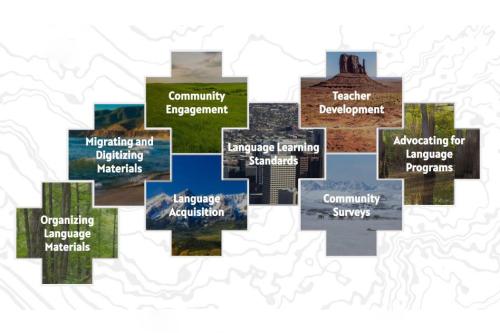
March 2023A series of eight monthly online workshops, called “Language Reclamation Landscapes,” will cover panoramic topics identified by the Administration for Native Americans (ANA), to build language revitalization skills exclusively for their 397 Indigenous grantees.
- Innovate, Network
Gatherings for Language Content Creators
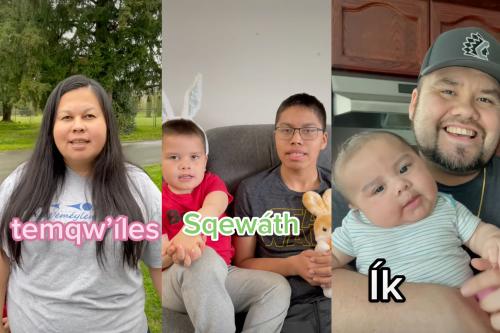
March 2023In collaboration with Indigenous language content creators we developed a Language Lodge, a series of open online gatherings connecting social media content creators of Indigenous and minoritized languages.
- Advocate, Network
Case Studies on Minoritized Language Use in Europe
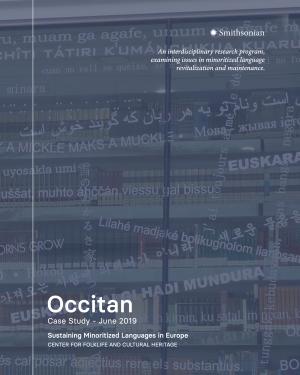
December 2022Case studies which focus on how language revitalization programs and efforts sustain and build on their accomplishments over time. The collection reveals how community-driven efforts survive and grow and how communities gain control—or agency—over the future of their languages.
- Advocate, NetworkNovember 2022
In this series of short magazine articles, communities explore some of the methods and approaches they’re using—and the lessons they wish to share in keeping their languages vital and strong.
- Train, Innovate
Seeking Irish Speakers for Family Video Project
July 2022Are you an Irish speaker interested in creating language learning videos for other families? The Smithsonian Center for Folklife and Cultural Heritage and Tús Maith are seeking children and adults to act out scripted scenes in Irish for an online language learning video series.
- Train, Innovate
Downloadable Guide Supports Community Language Practitioners
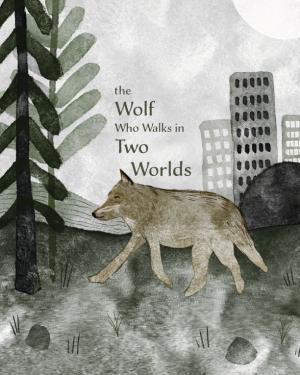
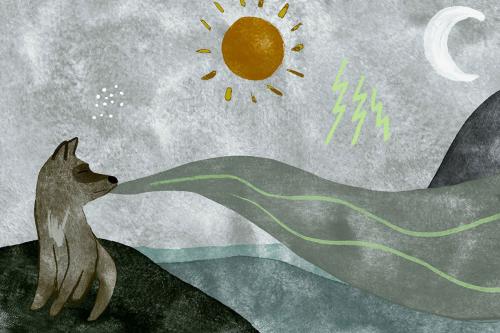
July 2022The guide, a forty-page downloadable PDF titled The Wolf Who Walks in Two Worlds, contains self-reflection activities woven into a narrative to be used by individuals or groups adapting to many language contexts. The guidebook was created with the Multicultural Initiative for Community Advancement (MICA)’s Next Steps project that trains in leadership and capacity building for language revitalization.
 Advocate
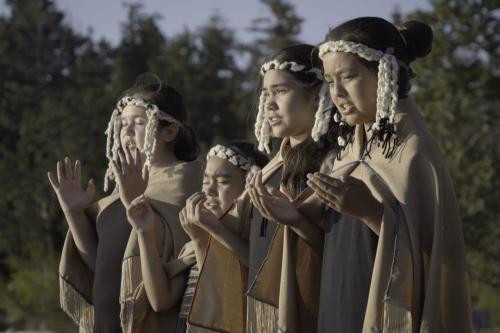
Mother Tongue Conversation with the Director: I Had a Dream (Bir Rüya Gördüm)
February 2022The 2022 Mother Tongue Film Festival Director Conversation focuses on Burcu Esenç’s journey following the legacy of her grandfather Tevfik Esenç — the last person to speak the Ubykh language. His granddaughter's film focuses on reconnections made during the filming, the life of Tevifik Esenç, and the wider history of the Ubykh language.
 Advocate
Mother Tongue Education Roundtable: Ways of Learning and Reclamation
February 2022Carly Tex, director of the Advocates for Indigenous California Languages Survival (AICLES), leads a discussion on how language reclamation goes beyond language learning and daily use to reclaim relationships with ancestors, the land, and community with Ron Corn, Jr. and Quirina Geary.
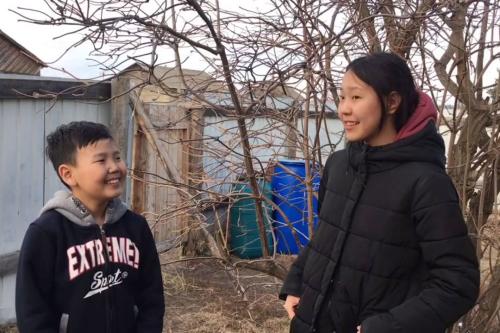 Train, InnovateFebruary 2022
In collaboration with the University of Chicago, the Center announces the second workshop in the Sakha Media School in northeastern Russia.
- Train
New Website for the Sino-Tibetan Language and Linguistics Summer Institute
February 2022In partnership with Nankai University, we launched a new web page to release materials developed across the past five years of training workshops and provides essential educational opportunities for Tibetan community language practitioners in China.
- Network, Advocate, Train
Language and Archives Mentorship Program
November 2021Members of existing Indigenous or minoritized language efforts are invited to participate in a virtual mentorship program to hone their skills in navigating digital libraries and archives while contributing to language work.
- Train
Video Production Handbook Redesign
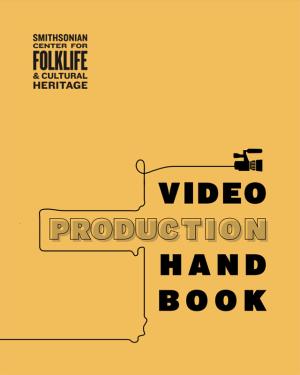
November 2021The Video Production Handbook is a free, downloadable guide to best practices in audio and video documentation, available in English, Mandarin Chinese, and Tibetan updated, translated, and redesigned by LVI.
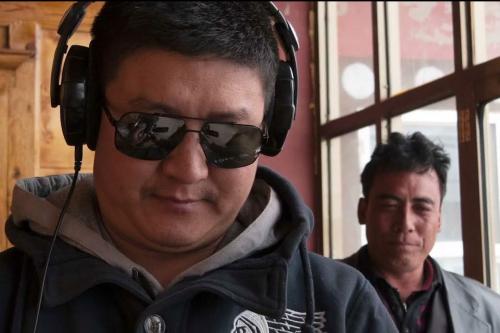
- Train, NetworkNovember 2021
The Center for Folklife and Cultural Heritage partnered with the Institute for Collaborative Research, or CoLang, to establish a website for the biennial gathering that provides community language activists and linguists an opportunity to learn about language documentation, descriptive linguistics, and language revitalization.
 Train, Innovate
Presentation on Incorporating Language into Cultural Heritage Research
September 2021Mary Linn discusses the importance of language in cultural representation and conversations, highlighting ways in which research for museum collections, exhibits, and programming can be repurposed as language materials for future generations.
- Innovate, Train
The Himalayan Languages of Sichuan Workshop
May 2021LVI partnered to develop a workshop to provide a platform for information and resource sharing for speakers of minoritized languages in Sichuan, to build their social networks, and to improve their fundraising skills to support linguistic documentation.
 Advocate
Discussion on Language Revitalization at Mother Tongue Film Festival 2021
April 2021A virtual panel discussion at the 2021 Mother Tongue Film Festival addressed the pressures on language from current and historical dislocation and forced relocations. Curator Mary Linn moderated, with participants Ruben Reyes, director of Garifuna in Peril; Ni Nyoman Clara Listya Dewi, co-director of Luh Ayu Manik Mas; and Kari Chew (Chickasaw), the project lead for Growing the Fire Within.
 Network
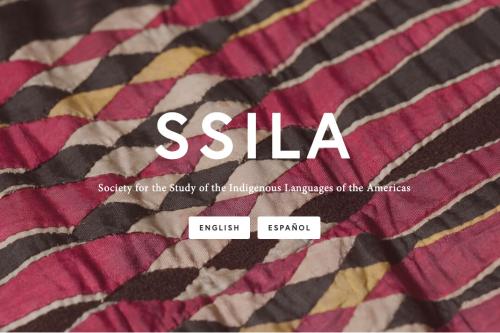
Society for the Study of the Indigenous Languages of the Americas Website
August 2020LVI supported the Society for the Study of the Indigenous Languages of the Americas (SSILA), an educational nonprofit, in redeveloping a website to include bilingual and accessible content.
Articles
By Amelia Tseng
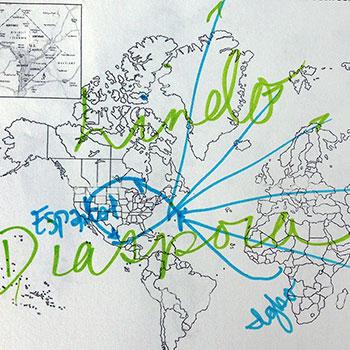
We all speak, and language connects us to each other and to our communities and cultures. In this way, language is fundamental to our identities.
By Yu Lha
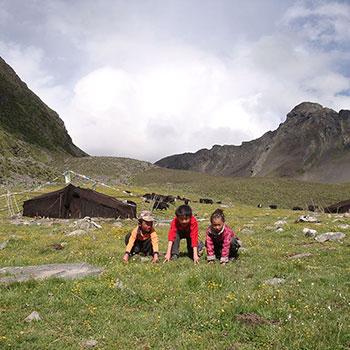
I researched the Khroskyabs language and documented oral traditions in my village, which led to the publication of my book.
By Alejandro Dayán-Fernández
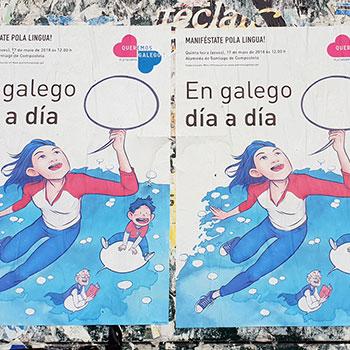
In a matter of seconds, my indigenous memory traveled back to the roots, relearning and reconnecting with my own Galician heritage.
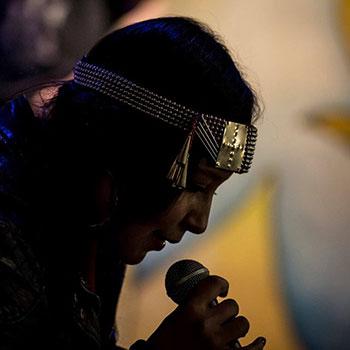
By Mariángel Villalobos
Indigenous peoples in Latin America are using hip-hop to amplify the voices of those who promote language revitalization and pride in their heritage.
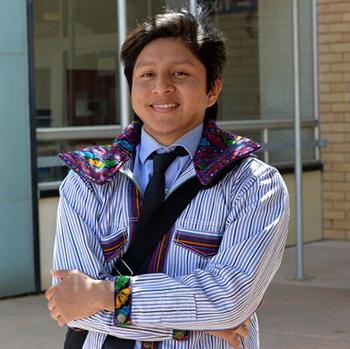
By Marisol Medina-Cadena
According to the Department of Justice, Mam is now one of the top ten languages spoken in immigration court, topping French and Korean.

By Angelo Baca
What’s in a name? It’s an important part of our identity, our existence, connecting us to the cultural and social realms we come from.
Videos
Festival Programs
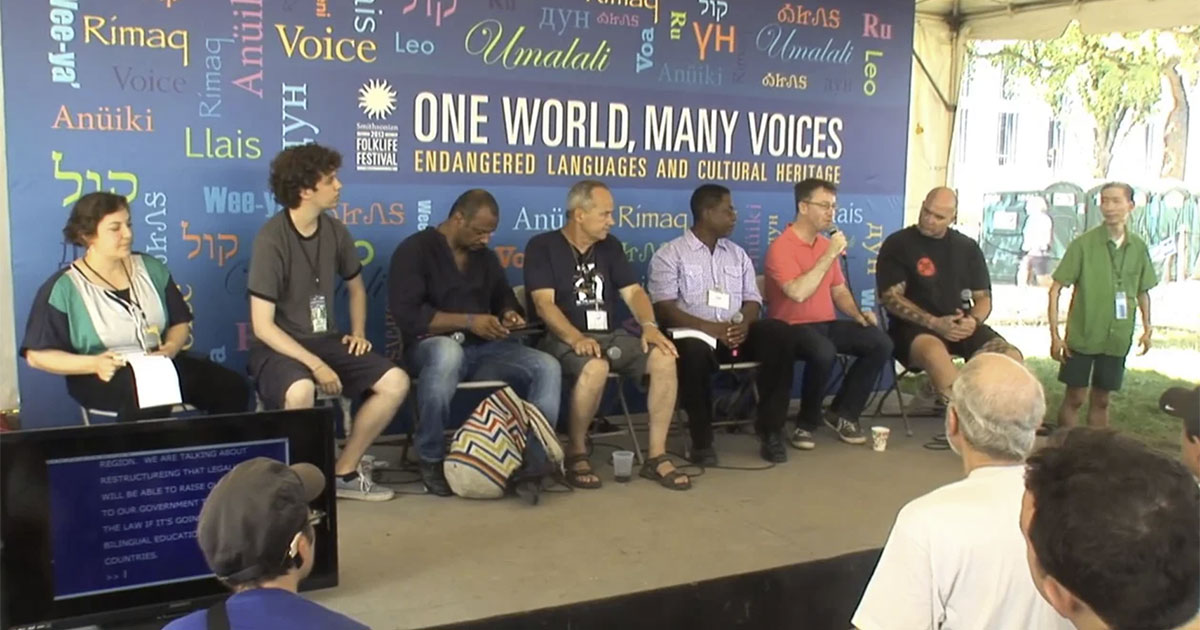
 2013 Folklife Festival
 2015 Folklife Festival
 2016 Folklife Festival
Support the Folklife Festival, Smithsonian Folkways Recordings, Cultural Vitality Program, educational outreach, and more.