
-
Visit Tunisia
The northernmost country in Africa, Tunisia sits at the axis of Africa, the Middle East, and Europe. Its complex history weaves together centuries of Indigenous and adopted cultural traditions, and it is the home to several UNESCO World Heritage Sites, including the city of Kairouan and the Amphitheater of El Jem. Located in between the Mediterranean Sea and the Sahara Desert, the country also hosts stunning natural geography, such as beaches, mountains, and plains.
In March 2022, the Center launched a partnership with USAID’s five-year Visit Tunisia Activity to highlight the country’s rich and varied cultural and natural diversity by enhancing the tourism industry. Through various programs centered on music, dance, food, craft, and more, we work with local artisans to help visitors experience Tunisian hospitality and its vibrant, contemporary cultural life.
Our activities include participatory workshops, mentorships, exchange opportunities, and work with in-country partners. The programs create cultural heritage tourism experiences that benefit both visitors and communities and align with Visit Tunisia’s regional priorities: Kebili/Douz, Gabès/Matmata, Kairouan, Jendouba/Tabarka, Tataouine/Dahar, and Tozeur/Nafta.
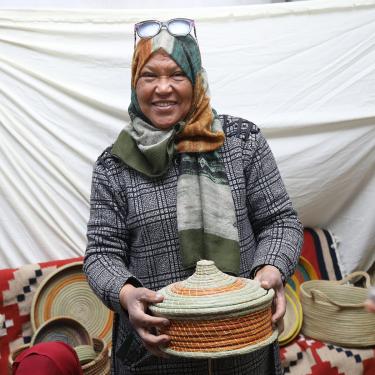
Photo courtesy of Raafet Khiari
Partner

Key Activities
Tunisia’s Living Culture
Tunisia’s Living Culture is a research-based project to support the development of community-led tourism experiences. Led by a scientific committee of Tunisian scholars and USAID Visit Tunisia Activity partner engagement specialist Ahmed Charfi, the project began with a research symposium and included workshops and one-on-one mentorship activities with culture bearers.
Scientific Committee
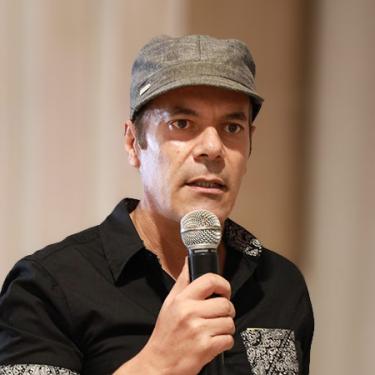
Lotfi Belhouchet
PhD, Prehistory, Archaeology, History, and Civilization of Antiquity and Middle Age (Université de Provence, Aix-Marseille)
Researcher, Institut National du Patrimoine
Professor of Prehistory, University of Sousse
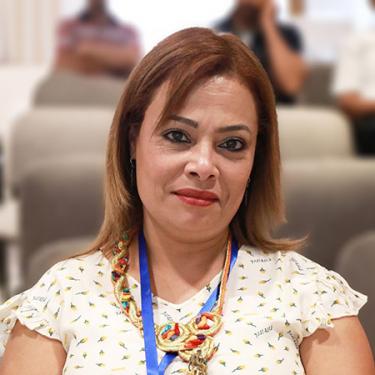
Awatef Mansour
PhD, Heritage Sciences (University of Tunis)
Assistant Professor of Art History and Heritage Sciences, University of Manouba
Member, Maghreb Archaeology and Architecture Laboratory
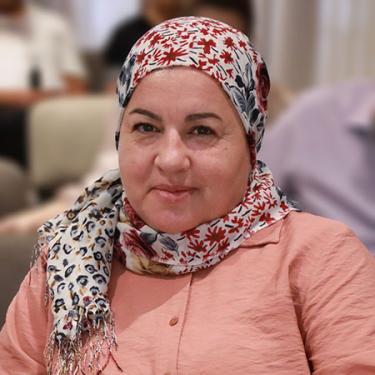
Hamida Trabelsi-Bacha
PhD, Ethnology and Social Anthropology (EHESS-Paris)
Assistant Professor, Higher Institute of Human Sciences of Tunis, Tunis El Manar University
Researcher, International Network of the Laboratory of Social Anthropology
Researchers
Bassem Abida
Rayhane Boukil
Nejia Chihaoui
Sourour Chtourou
Amal Fargi
Omezzine Hajji
Hechmi Houcine
Sawsen Kaabi
Hatem Lajmi
Takwa Louhichi
Houda Mansour
Mohamed Ali Rtimi
Symposium
In September 2022, the Center and USAID Visit Tunisia Activity collaborated with the National Heritage Institute in Tunisia to co-host a symposium on intangible cultural heritage and tourism, addressing opportunities and challenges and discussing cultural practices that may be appropriate for sensitive tourism experience development.
Workshops
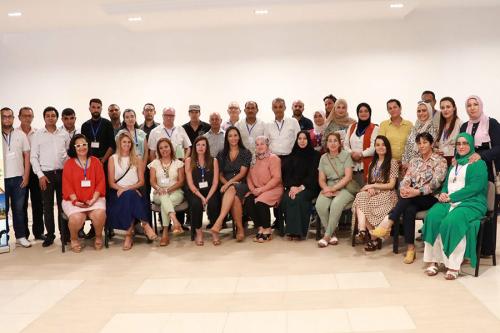
In January 2023, 280 culture bearers and researchers took part in a series of workshops co-taught by Charfi and Center director of special projects Halle Butvin. The workshops focused on creating concepts for cultural tourism experiences. Participants learned about experiential tourism and participated in hands-on activities to design their own tourism experience concepts.
Mentorship
After the workshops, the scientific committee reviewed concepts and selected thirty experiences for further support, which included one-on-one mentorship and access to USAID Visit Tunisia Activity’s grantmaking programs. In May 2023, Butvin and Charfi conducted site visits, accompanying researchers to each of the thirty experiences to discuss their concept and script development and begin the process of mentorship in tourism enterprise skills.
A session during the 2022 Intangible Cultural Heritage Symposium
Photo courtesy of Tunisia’s Agency for the Development of Heritage and Cultural Promotion
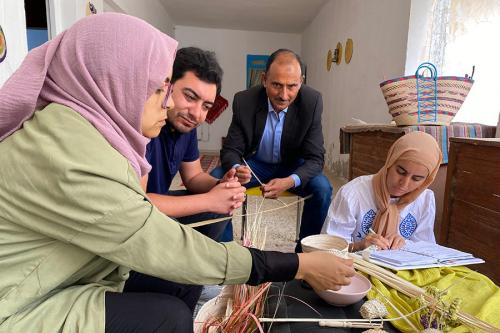
Artisan Mabrouka Chaibi meets with Ahmed Charfi, researcher Mohamed Ali Rtimi, and Visit Tunisia staff member Amal Tiss to discuss her palm-weaving experience.
Photo by Halle Butvin
Folklife Festival Exchange
Since 1967, the Center for Folklife and Cultural Heritage has produced the Smithsonian Folklife Festival—one of the biggest cultural events in the United States—in partnership with communities across the country and around the world. The Folklife Festival Exchange, led by experienced Festival staff, brings our practice to communities through training, mentorship, and exchange activities.
Workshops
In March 2022, Butvin and project coordinator Sloane Keller delivered workshops for 230 cultural festival and event organizers throughout Tunisia. The course covered Smithsonian Folklife Festival modes of presentation, community engagement, and practical aspects like budgeting, volunteer management, and site design. Participants received a toolkit, translated into Arabic, with templates, examples, and other resources for festival design and management.
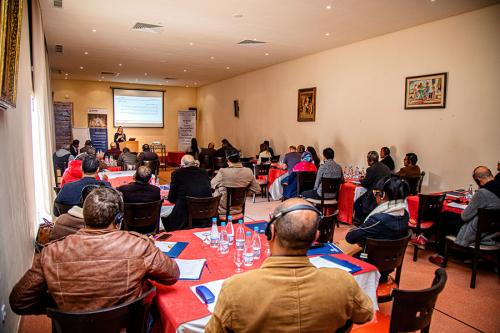
Attendees listen intently during a one-day Festival & Events Management workshop in Tozeur.
Photo courtesy of Raafet Khiari
Exchange
In June 2022, with support from the Embassy of the United States in Tunis, the team hosted a small cohort of festival organizers, Visit Tunisia project staff, and cultural sector leaders for a one-week learning exchange at the Smithsonian Folklife Festival. The itinerary included behind-the-scenes meetings with Festival staff and daily group sessions to discuss observations. In 2022 and 2023, Center staff traveled to Tunisia to observe partner festivals and held virtual sessions to dive deeper into topics of interest.
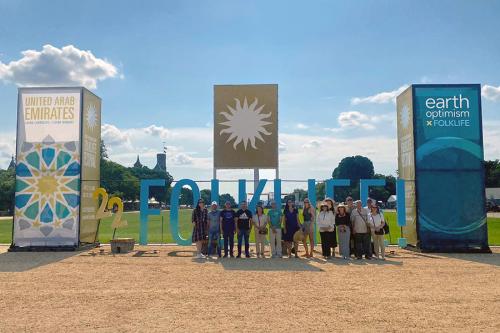
Festival organizers, Visit Tunisia project staff, and U.S. Embassy Tunis staff attend the 2022 Smithsonian Folklife Festival.
Photo courtesy of Sloane Keller
Articles
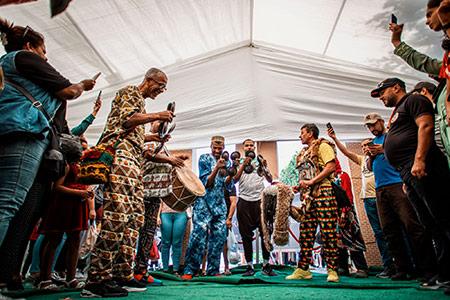
January 17, 2023 | By Sloane Keller and Rebecca Fenton
Mouled is the celebration of the birth of Mohammed, Islam’s prophet. Worldwide, Muslims gather to hear poems and stories about the prophet’s life, recite the Qur’an, and enjoy festive music and foods.
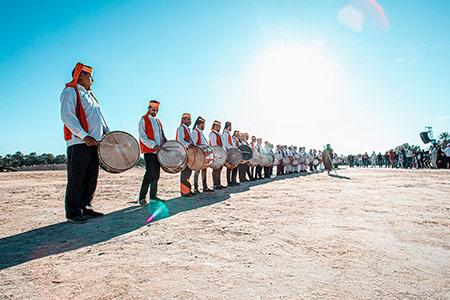
March 7, 2023 | By Sloane Keller and Rebecca Fenton
The forty-third edition of the festival, held December 24 to 27, 2022, showcased the city’s agriculture, artisans, and music.
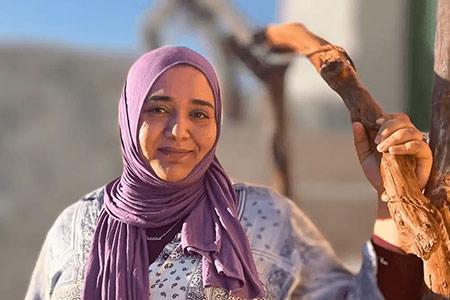
January 27, 2024
Take a deep dive into the “Café Ben Jemâa” experience in Tamezret.
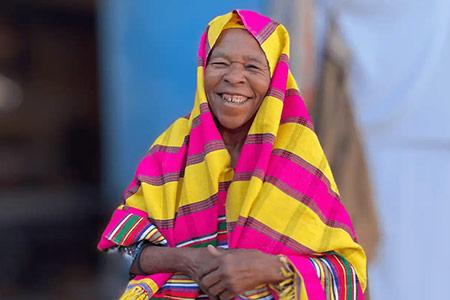
December 26, 2023
Take a deep dive into the “Leather Making” experience in Ghomrassen, Tataouine.
Staff
Support the Folklife Festival, Smithsonian Folkways Recordings, Cultural Vitality Program, educational outreach, and more.