




Support the Folklife Festival, Smithsonian Folkways Recordings, Cultural Vitality Program, educational outreach, and more.
more
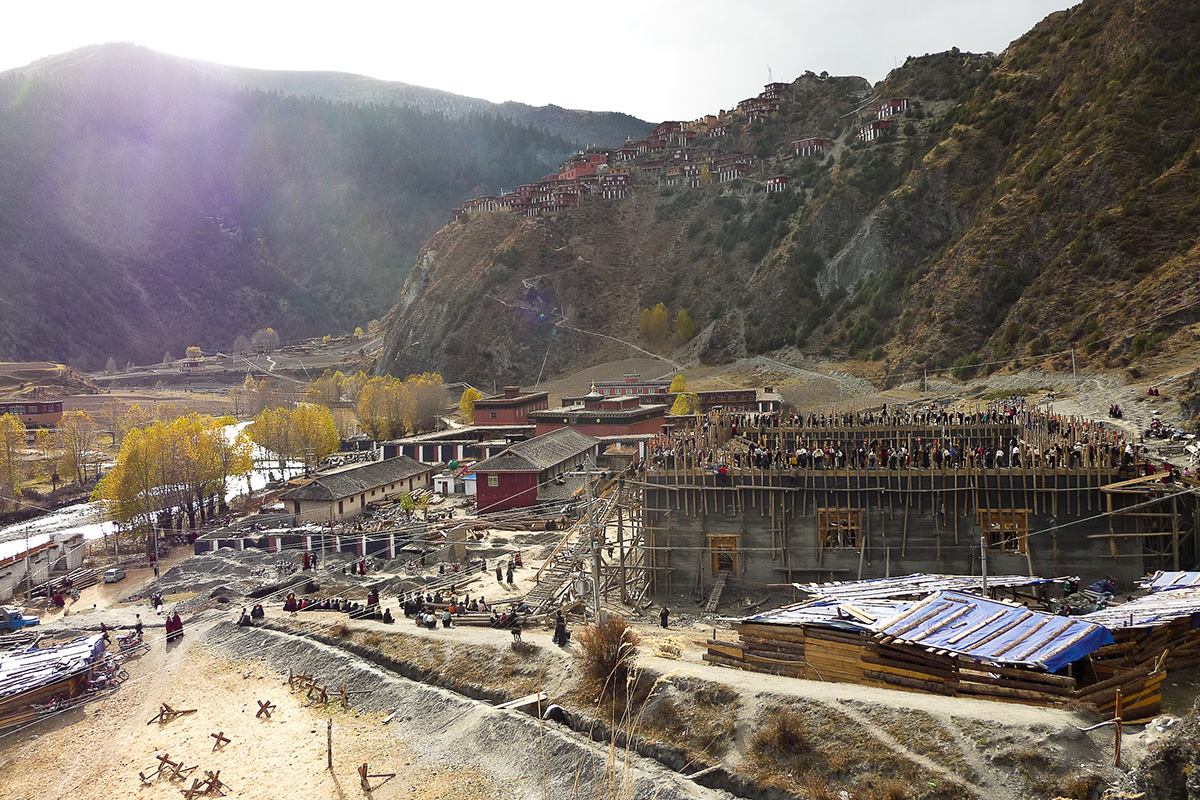
During the spring and fall high in the Sman shod Valley of Tibet, men carry on a tradition of ramming loose earth into solid walls for temples, homes, and other structures—and singing as they do.
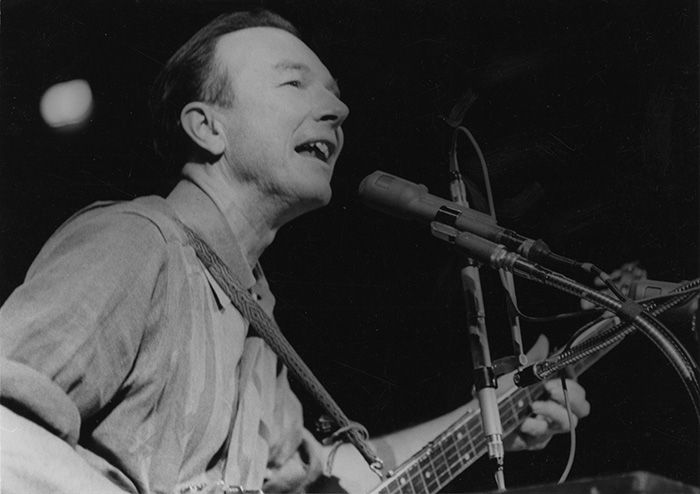
“If humanity survives another century, it will be because of music.” What Pete Seeger captured in a single line is the profound consolation that only music brings.
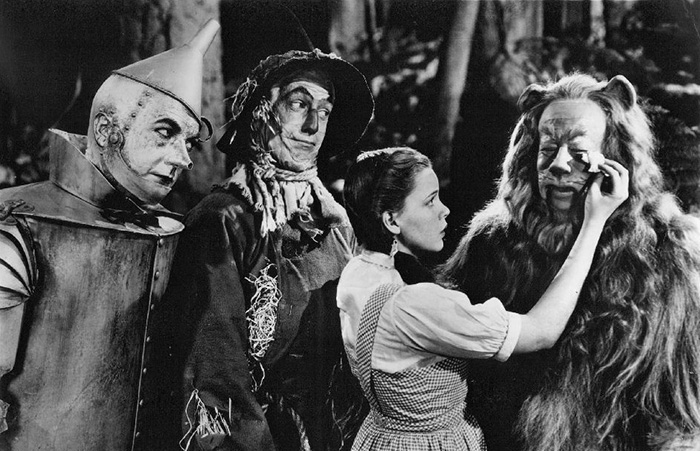
It might work like this: one man is attracted to another but isn’t sure if the feeling is mutual. To test the waters, he’ll ask, “Are you a friend of Dorothy?”
What do the Motown sound and hip-hop music have in common? Each is the musical inspiration for a vital dance tradition that thrives in the African American community of Washington, D.C.
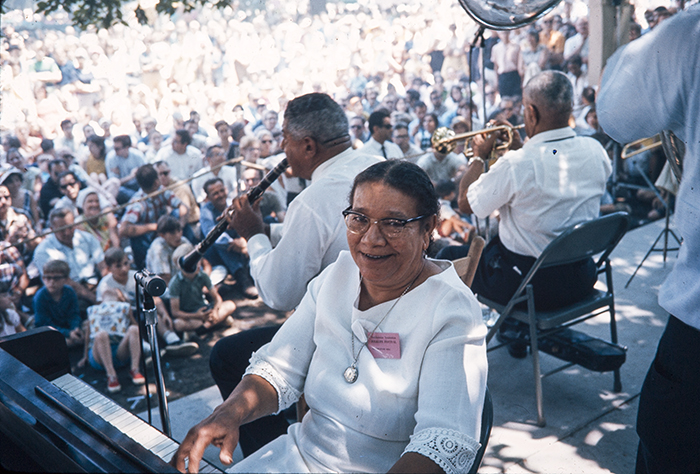
The musical traditions of New Orleans are among the most joyous, passionate, and influential sounds to be found in America.
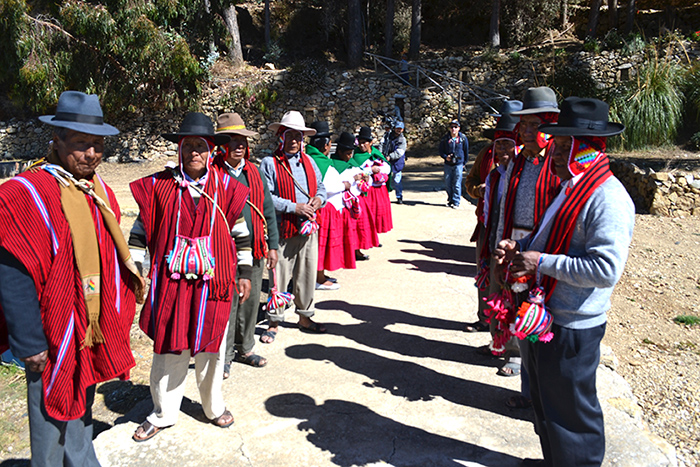
While developing the Perú: Pachamama program for the 2015 Smithsonian Folklife Festival, we circled around the question of “Peruvian-ness.”
Over the past few years, the young researchers of The Will to Adorn have been engaged in a project of community autobiography.
Leading up to the 2013 Smithsonian Folklife Festival, the Center for Folklife and Cultural Heritage worked in collaboration with the U.S.
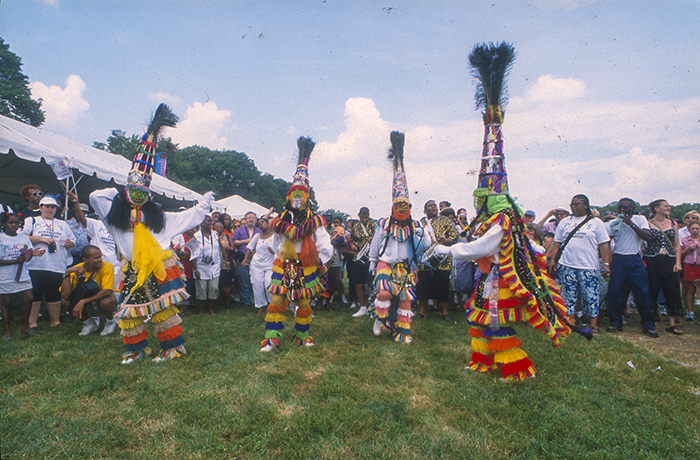
I spent much of my early childhood on the north shore of Bermuda. The island shaped me in many ways, and I still have many friends and family there. So it was a special privilege for me to curate a program about the land that I considered my first home.
Five on the Black Hand Side is a project exploring gestural languages that were born in African American communities during the 1960s and 1970s, including the “the dap” and the black power handshake.
Folklife Magazine explores how culture shapes our lives. We publish stories about music, food, craft, language, celebrations, activism, and the individuals and communities who sustain these traditions.