





Support the Folklife Festival, Smithsonian Folkways Recordings, Cultural Vitality Program, educational outreach, and more.
more
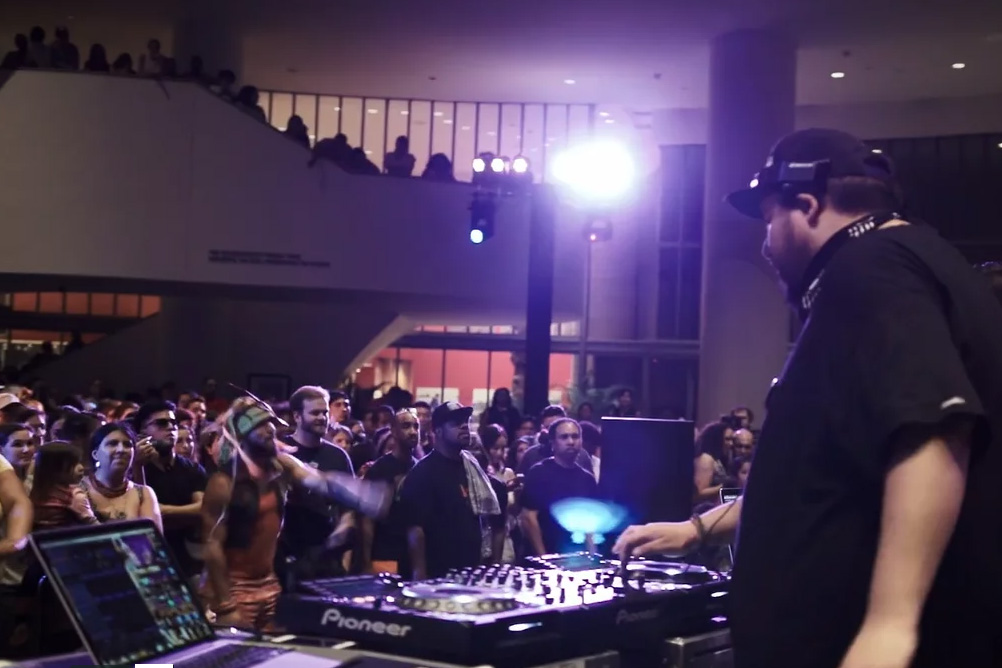
On one hot August evening, A Tribe Called Red turned the National Museum of the American Indian into a dance party.
Horse racing is one of the most popular sports in Tibet, held during festivals and Lunar New Year celebrations.
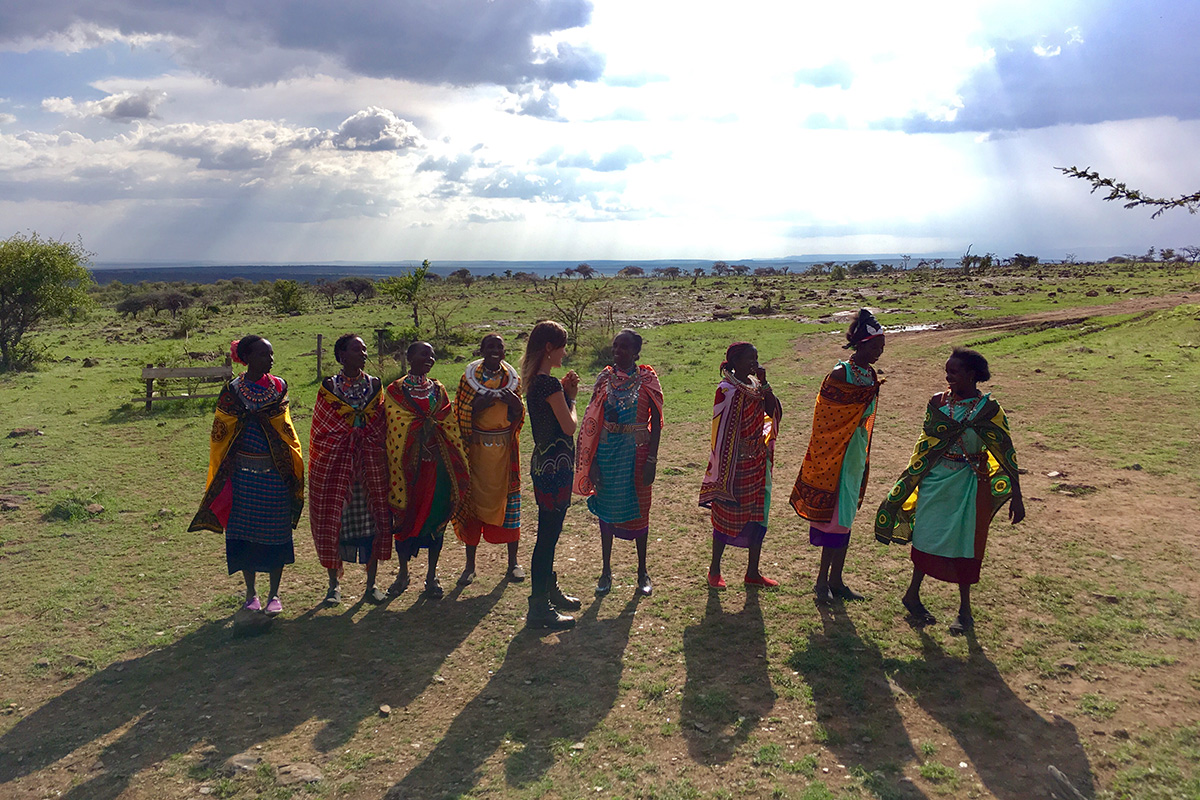
After a week’s vacation visiting a friend in Nairobi’s hectic urban landscape, I found myself in a dust-green classic safari truck driving across the stunning, dry landscape of the Great Rift Valley in Kenya.
In Armenia, folk remedies aren’t just offhand suggestions from your grandmother. When it comes to minor illnesses, trained doctors are not shy about recommending them either.
While musics have always emerged and disappeared through changing tastes or circumstances, some “small musics” are “being disappeared” by non-musical influences and powers.
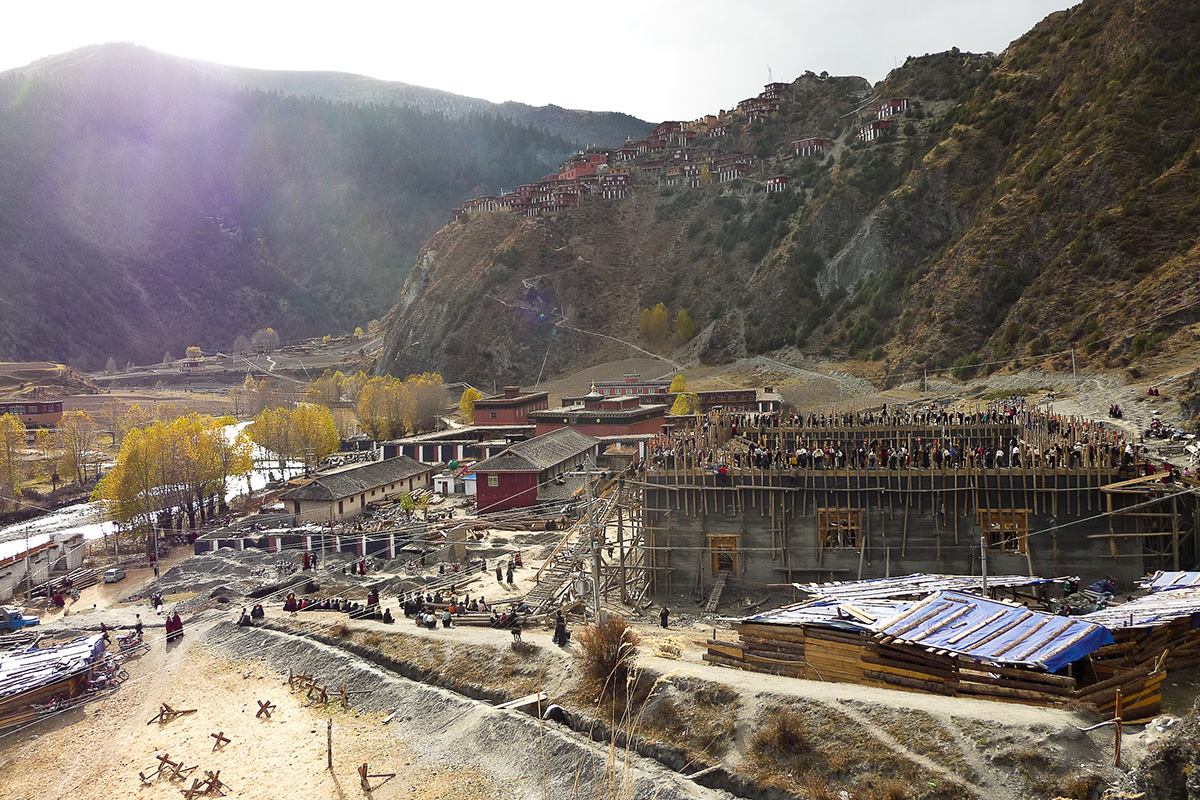
During the spring and fall high in the Sman shod Valley of Tibet, men carry on a tradition of ramming loose earth into solid walls for temples, homes, and other structures—and singing as they do.
Beginning on International Mother Language Day, the Smithsonian’s Mother Tongue Film Festival will take place in Washington, D.C., February 21 to 25
It’s almost hard to believe Rind is home to a world-renowned winemaking facility. “We’re in the remotest village in Yeghegnadzor,” Zorik Gharibian says proudly.
The enormous 240-gallon clay vessel, or karas, was nestled snugly in the corner of Asli Saghatelyan’s maran (storage cellar) in Chiva, a modest village in the Vayots Dzor region of Armenia.
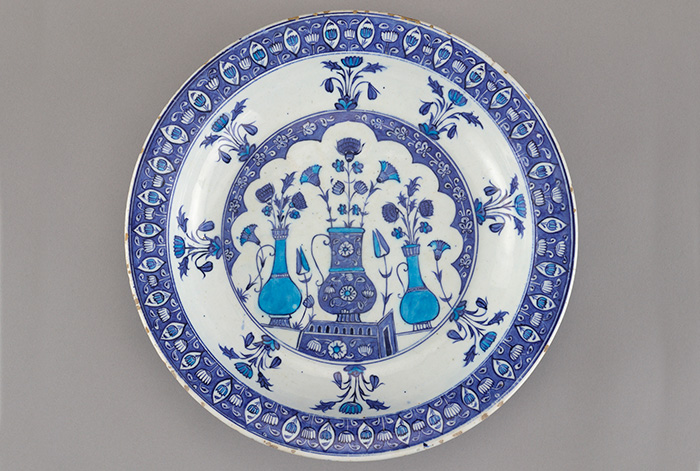
In Kütahya, a western Turkish city known for its ceramic ware or çini, tiles and plates feature a variety of design motifs, both classical and contemporary.
Folklife Magazine explores how culture shapes our lives. We publish stories about music, food, craft, language, celebrations, activism, and the individuals and communities who sustain these traditions.