





Support the Folklife Festival, Smithsonian Folkways Recordings, Cultural Vitality Program, educational outreach, and more.
more
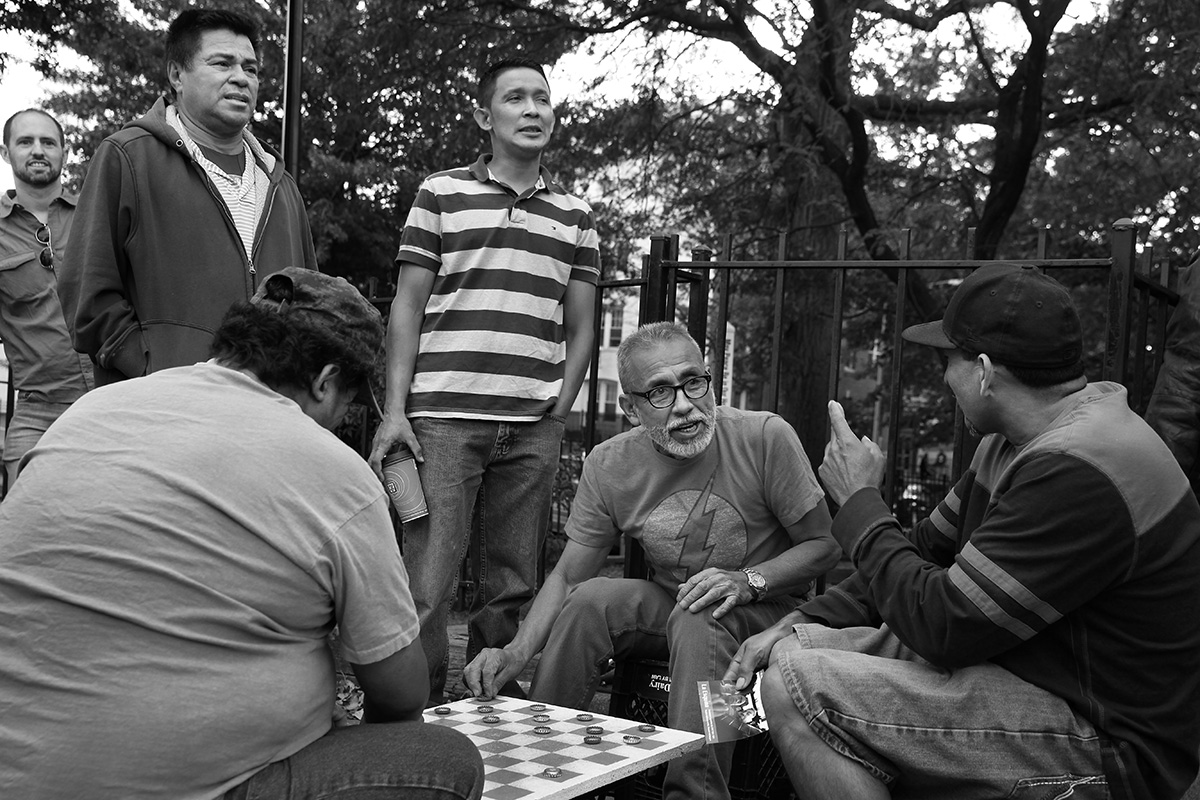
“Here you could find a cure for the heartbreak and loneliness of being away from home because, well, it was home.”
In Chinese culture, it is a widespread belief that mental illness results from ancestors’ punishment on the current generation.
To honor her nona, Flory has made it her life’s mission to preserve the songs, music, and language of her Ladino family.
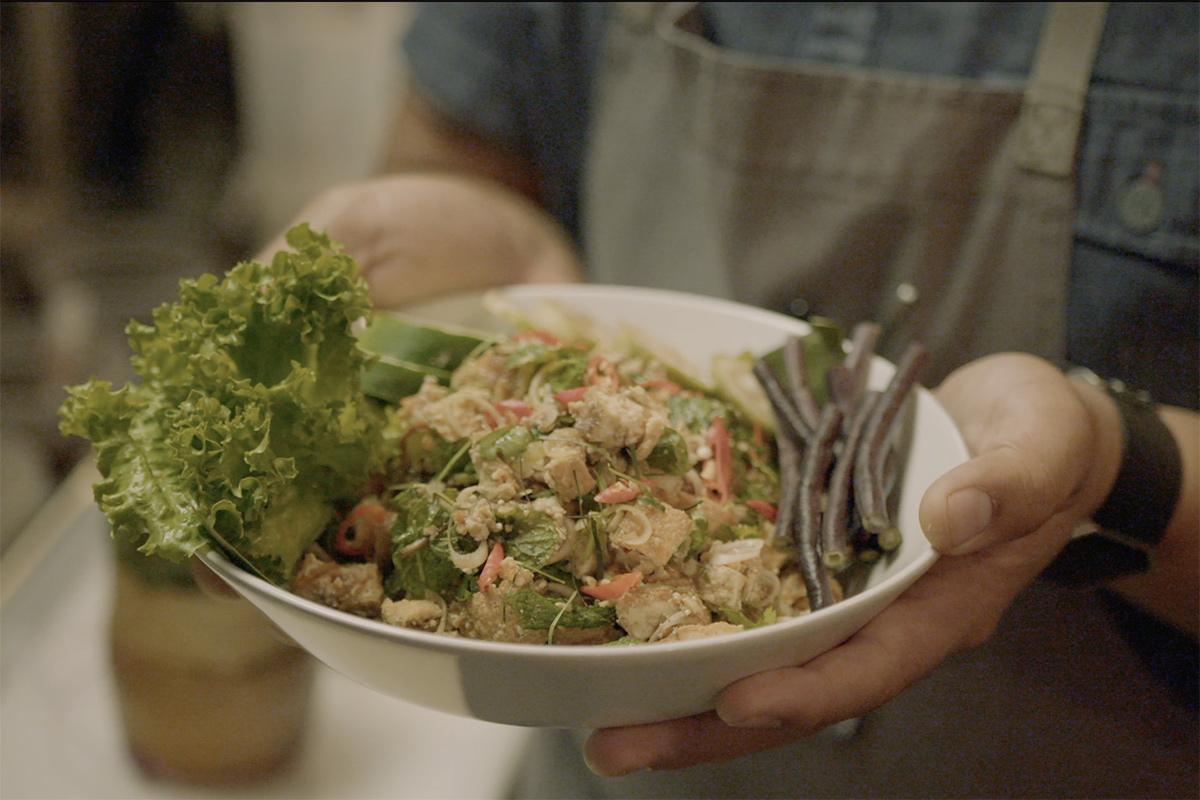
At Thip Khao in Washington, D.C., Chef Seng serves Lao food, family style.
A multi-voiced conversation about our complex society is happening right in front of our ears.
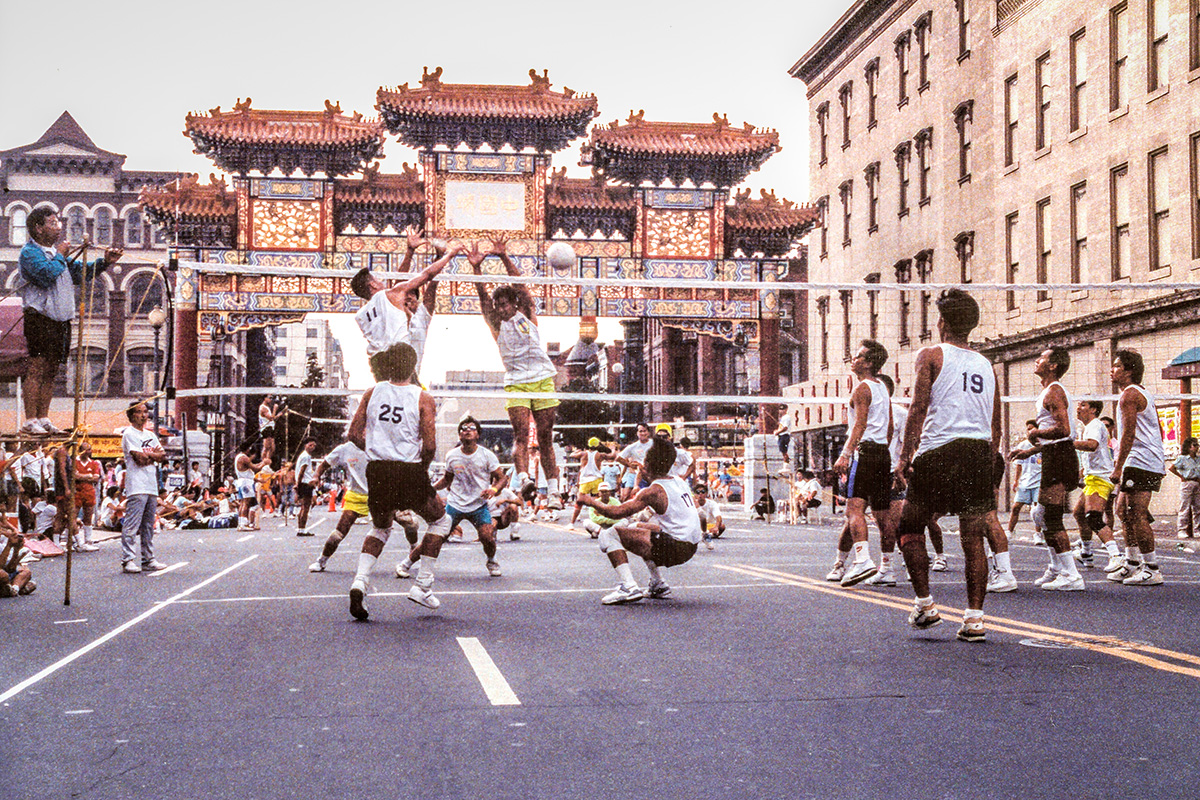
The story of “9-man” volleyball is a testament to Chinese American survival in a country that has not always been quick to welcome.
At a typical Norwegian party, you sit, drink, and talk loudly while music plays. In Zambia, when you drink, you dance like there is no tomorrow.
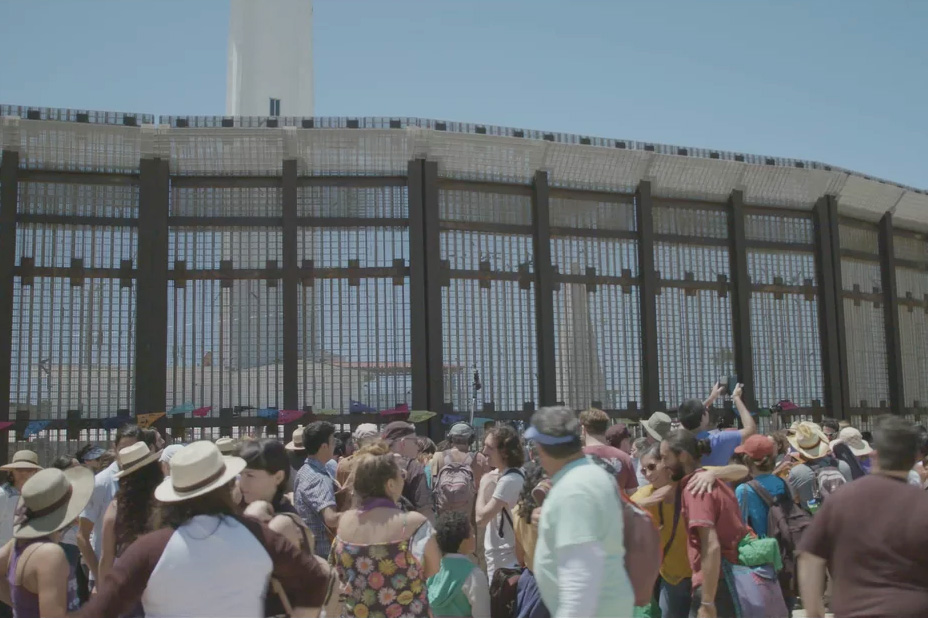
Once a year, people gather at Friendship Park in San Diego, California, and Tijuana, Mexico, for a joyous occasion: the Fandango Fronterizo, or border fandango.
“Pillow People,” a song featured on Quetzal’s new Smithsonian Folkways album The Eternal Getdown, delineates the dangerous trek from the first step out of their home communities, on to a near impossible and treacherous journey.
Following the 1965 Hart-Celler act, Asian America was remade, creating distinct generational identities within the larger community.
Folklife Magazine explores how culture shapes our lives. We publish stories about music, food, craft, language, celebrations, activism, and the individuals and communities who sustain these traditions.