




Support the Folklife Festival, Smithsonian Folkways Recordings, Cultural Vitality Program, educational outreach, and more.
more
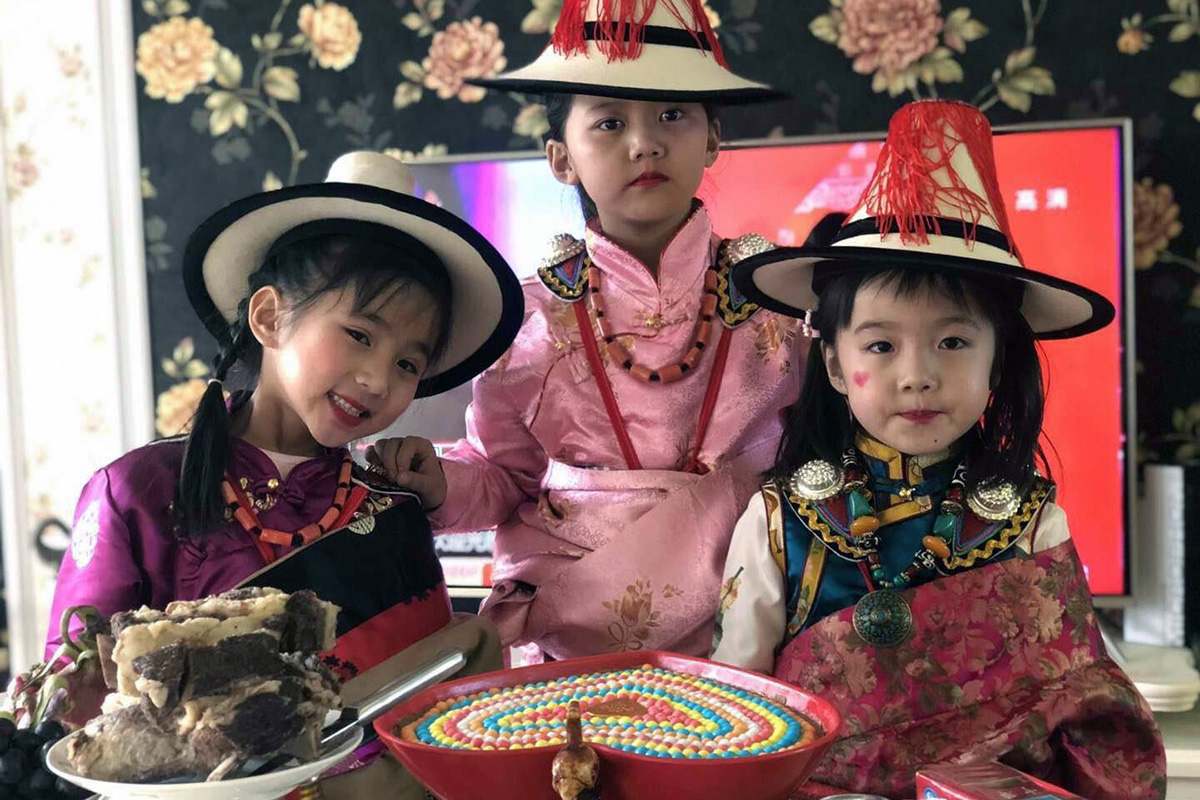
For Tibetans, Losar (ལོ་གསར་ or “new year”) is the biggest celebration of the year, with sixteen days of feasting, gift-giving, and traditional song and dance.
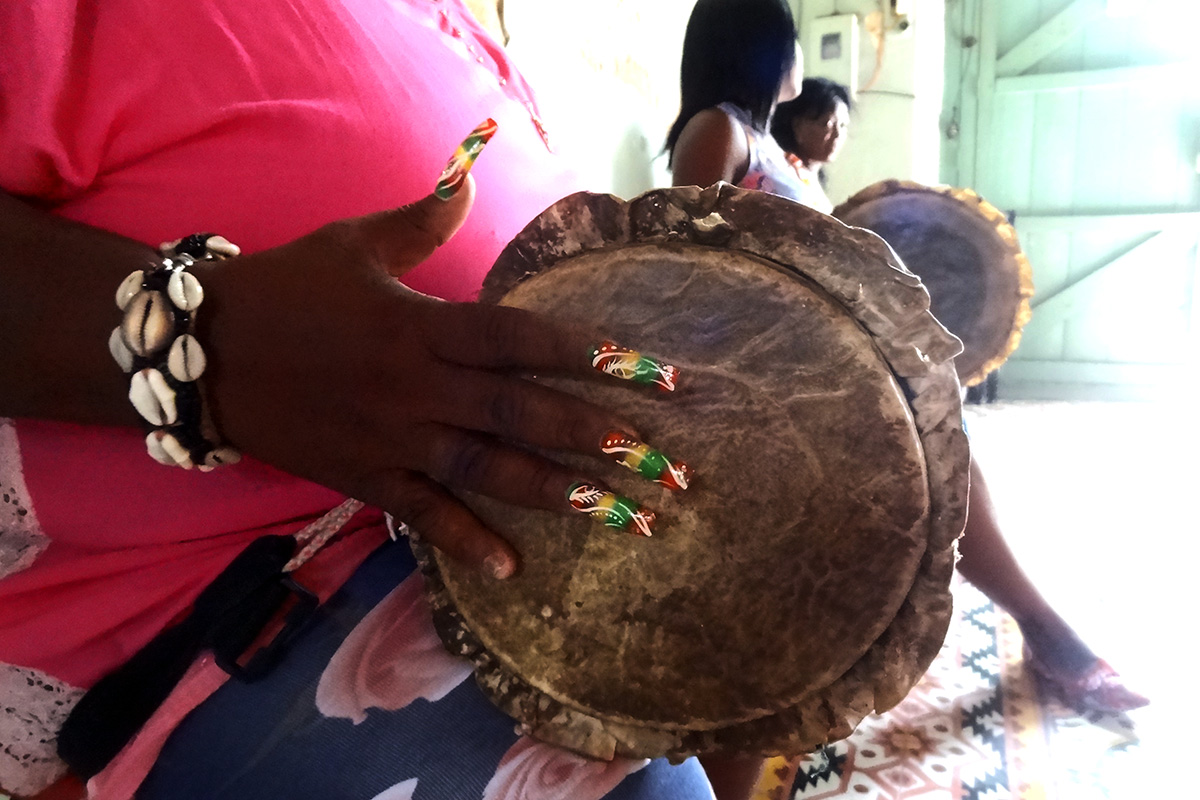
Why would a woman dedicate herself to learning a cultural practice that is not her own? Especially when she is largely forbidden from participating in it?
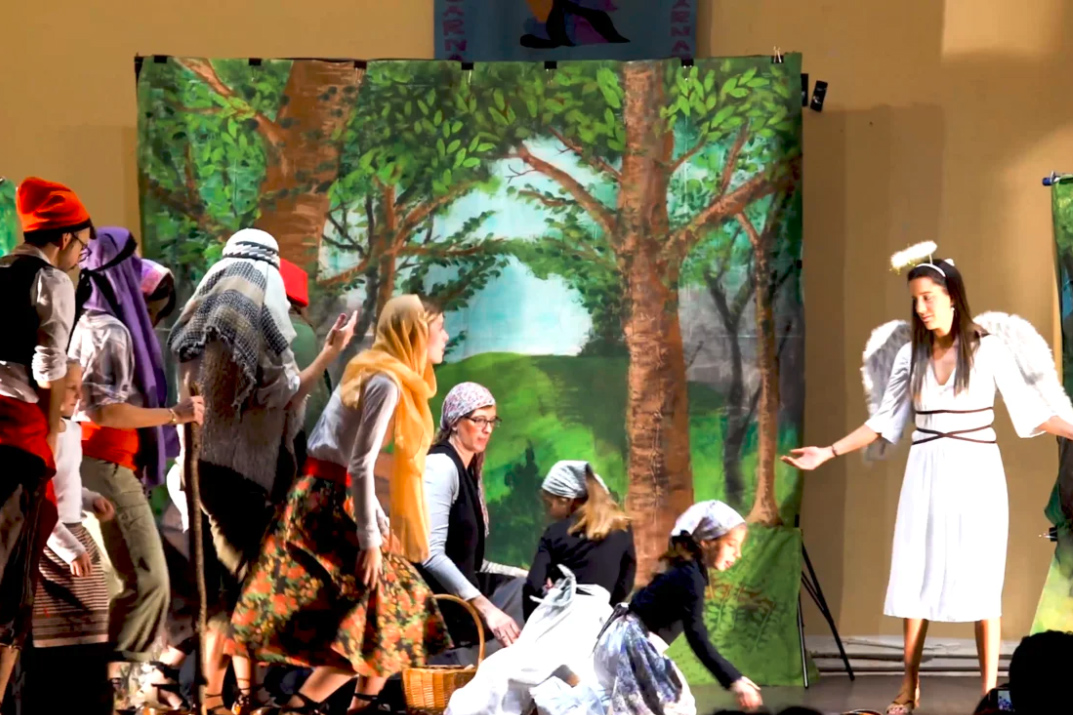
Each winter, Catalan towns celebrate Christmas with a production of Els Pastorets, or “The Beloved Shepherds.”
Has the tradition changed? Of course. Has it left behind the indigenous roots or the Catholic meaning? Not entirely.
My childhood gave me certain abilities: I was good at relaxing my mind, I knew how to be my own companion when I felt lonely.
“Solar eclipse” is an anagram for “rise collapse,” but it’s not necessarily the end of the world.
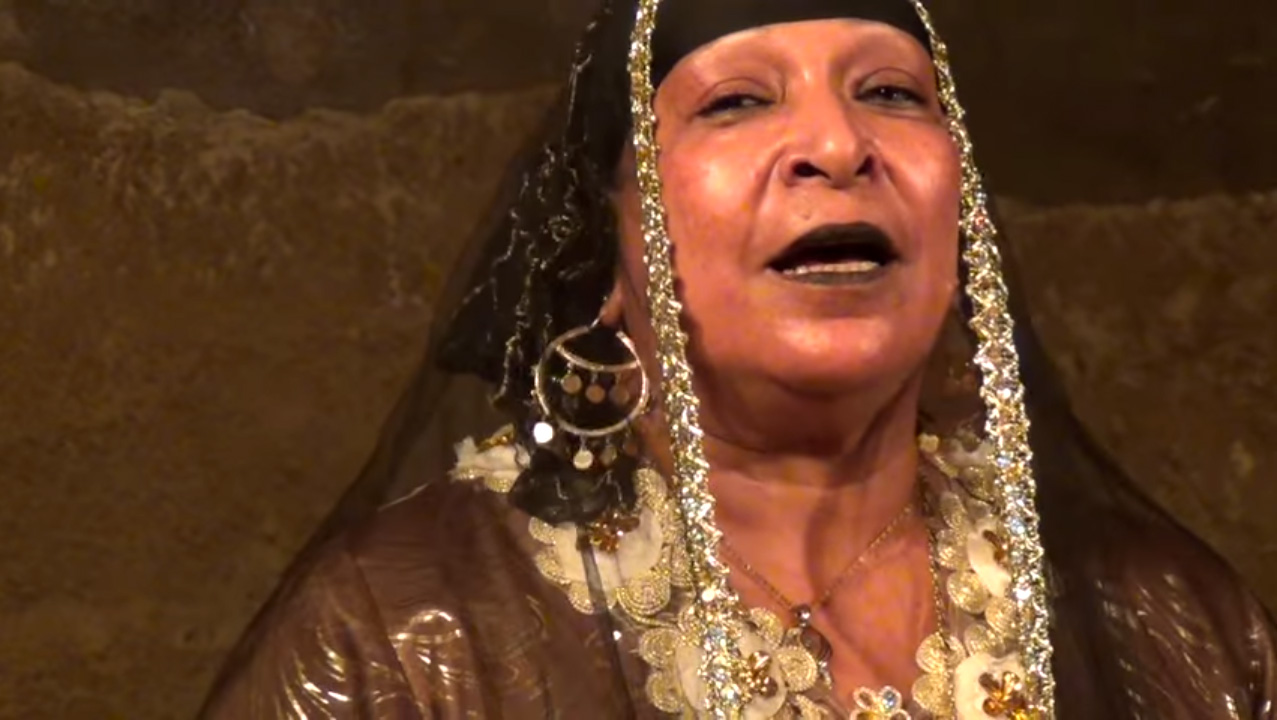
In Egypt, zar ceremonies are used to treat individuals possessed by spirits, or jinn. When jinn inhabit people, they’re believed to remain with the hosts forever
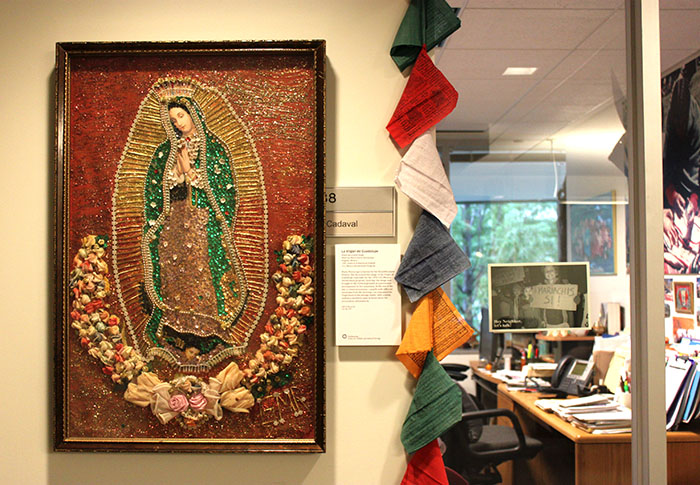
The Virgin of Guadalupe has many names and stories. So, too, does the elaborately decorated version of la Virgen made by María Gloria Moroyoqui for the U.S.-Mexico Borderlands program at the 1993 Smithsonian Folklife Festival.
Folklife Magazine explores how culture shapes our lives. We publish stories about music, food, craft, language, celebrations, activism, and the individuals and communities who sustain these traditions.