



Support the Folklife Festival, Smithsonian Folkways Recordings, Cultural Vitality Program, educational outreach, and more.
more
Listen to an interview with Arrington de Dionyso about his early inspirations from Folkways Records, the merits of explicit versus implicit political art, and his motivations to create collaborative and challenging music.
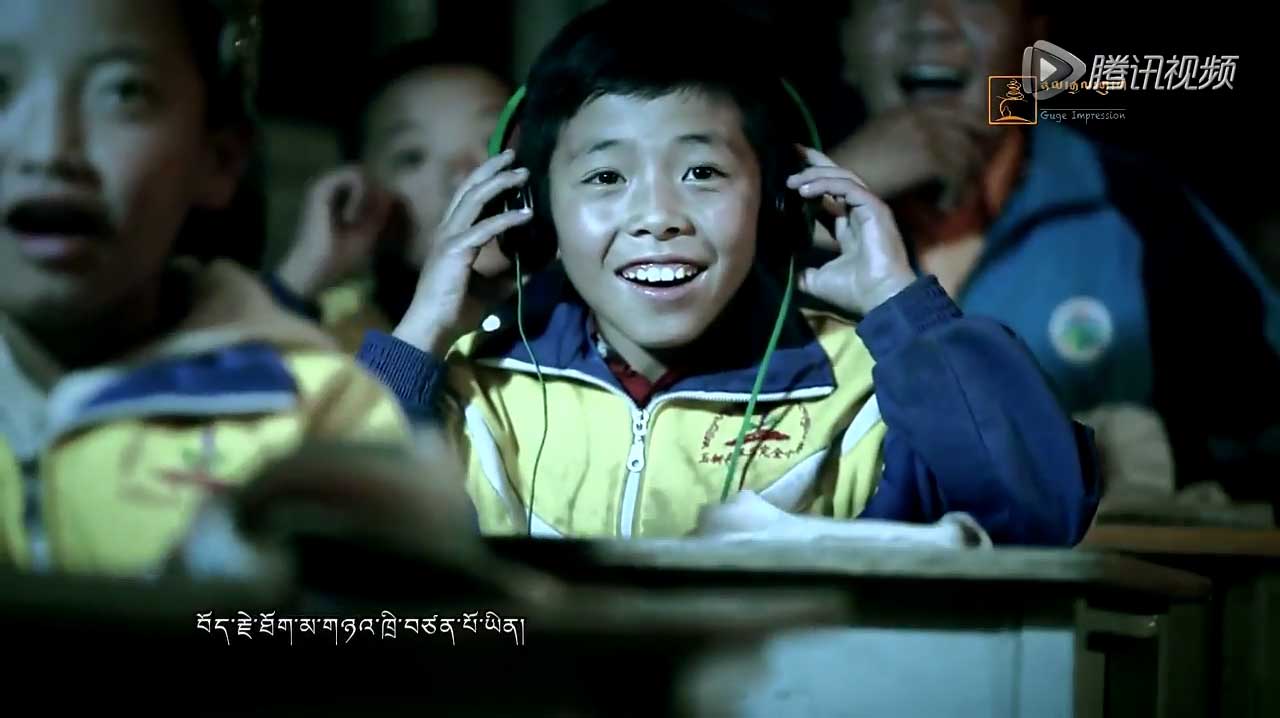
Horse racing is one of the most popular sports in Tibet, held during festivals and Lunar New Year celebrations.
This personal narrative includes a slideshow of color photographs from American military camps in Texas and Italy during World War II, taken by the author's father.
“Pillow People,” a song featured on Quetzal’s new Smithsonian Folkways album The Eternal Getdown, delineates the dangerous trek from the first step out of their home communities, on to a near impossible and treacherous journey.
The conception of these soundscapes stems from a deep love of history that I have had since childhood. The idea of recreating the sound of the past in a way that was meaningful to modern listeners provided me with a creative challenge.
Watching Rahim AlHaj perform is a joyous experience. Smiles inadvertently creep onto his lips while he playfully improvises on an instrument that seems to be more a part of him than not.
When there has been a constant ringing in your ears for your entire life, you learn to appreciate noise. Outside it may be traffic, airplanes, birds, and bugs drowning out the internal buzz.
Beginning on International Mother Language Day, the Smithsonian’s Mother Tongue Film Festival will take place in Washington, D.C., February 21 to 25
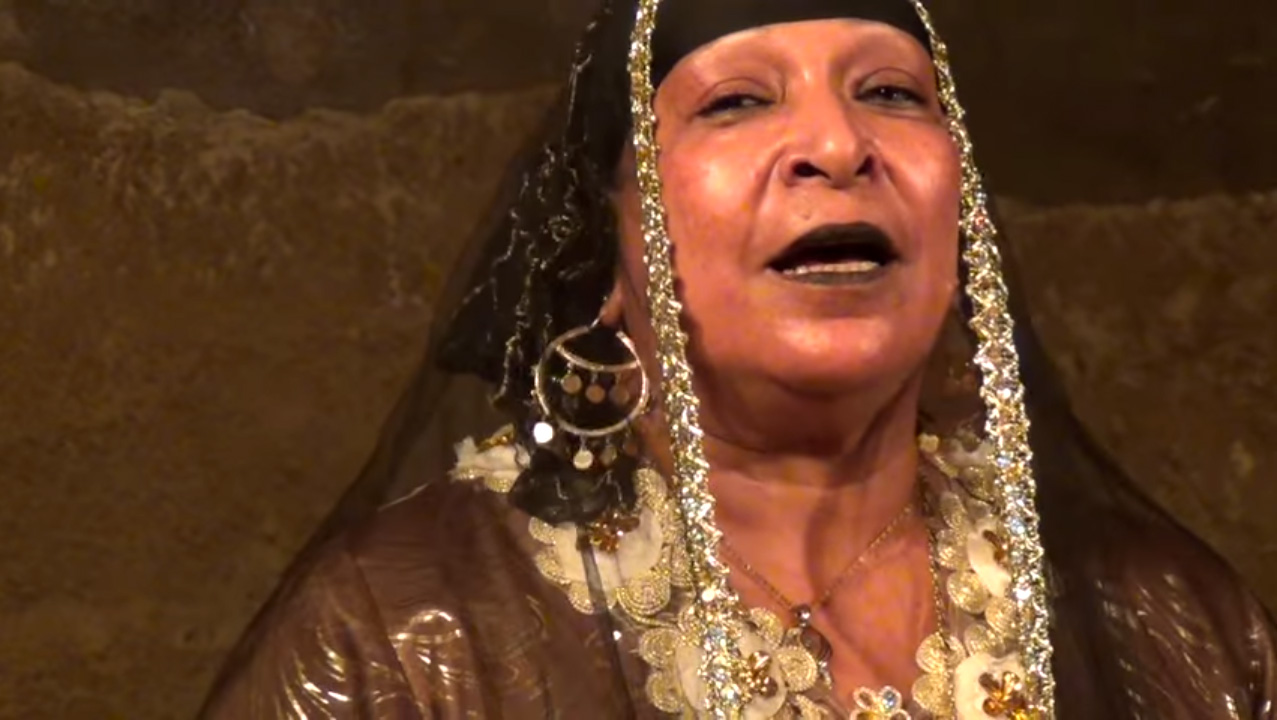
In Egypt, zar ceremonies are used to treat individuals possessed by spirits, or jinn. When jinn inhabit people, they’re believed to remain with the hosts forever
Folklife Magazine explores how culture shapes our lives. We publish stories about music, food, craft, language, celebrations, activism, and the individuals and communities who sustain these traditions.