

Support the Folklife Festival, Smithsonian Folkways Recordings, Cultural Vitality Program, educational outreach, and more.
more
In this audio feature excerpted from the discussion, Che “Rhymefest” Smith gave powerful examples of a song’s ability to change history.
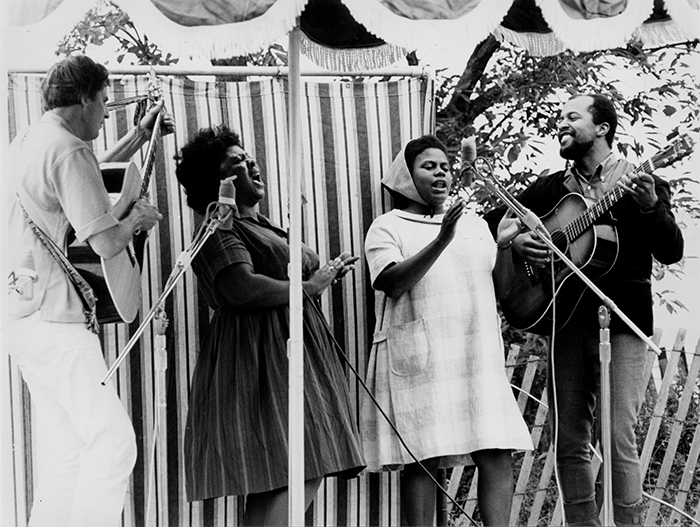
In honor of the opening of NMAAHC, we have curated a playlist of some of our favorite and most influential African American musicians from Smithsonian Folkways.
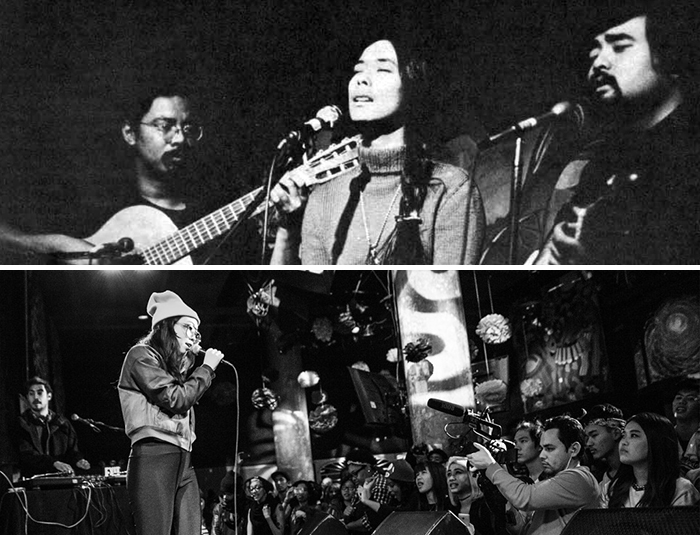
Following the 1965 Hart-Celler act, Asian America was remade, creating distinct generational identities within the larger community.
In 2015, fifty years after the Hart-Celler Immigration and Nationality Act launched an era of accelerated and greatly diversified immigration to the United States, have we achieved a better vantage point?
What comes to mind when you hear the word “folklore”?
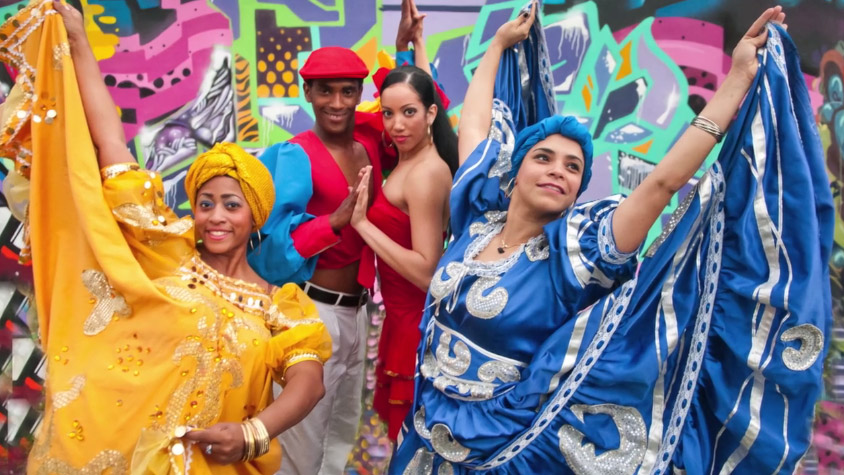
Torres is the founder and executive/artistic director of IFE-ILE, a Miami-based nonprofit organization.
Leading up to the 2013 Smithsonian Folklife Festival, the Center for Folklife and Cultural Heritage worked in collaboration with the U.S.
In July, I spent eleven exhilarating days with colleagues from many countries in the International Council for Traditional Music’s Study Group on Ethnochoreology.
We at the Center for Folklife and Cultural Heritage often say that the Smithsonian Folklife Festival never ends. Of course, in a physical sense it does end, usually on the Sunday following the Fourth of July.
Folklife Magazine explores how culture shapes our lives. We publish stories about music, food, craft, language, celebrations, activism, and the individuals and communities who sustain these traditions.