





Support the Folklife Festival, Smithsonian Folkways Recordings, Cultural Vitality Program, educational outreach, and more.
more
“Pillow People,” a song featured on Quetzal’s new Smithsonian Folkways album The Eternal Getdown, delineates the dangerous trek from the first step out of their home communities, on to a near impossible and treacherous journey.
Watching Rahim AlHaj perform is a joyous experience. Smiles inadvertently creep onto his lips while he playfully improvises on an instrument that seems to be more a part of him than not.
While musics have always emerged and disappeared through changing tastes or circumstances, some “small musics” are “being disappeared” by non-musical influences and powers.
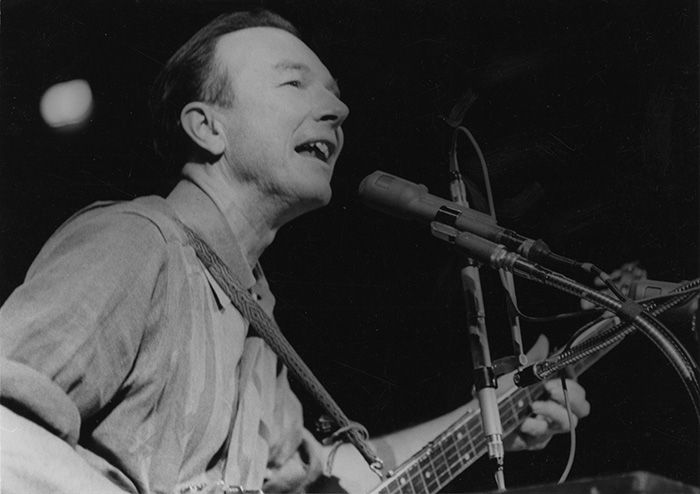
“If humanity survives another century, it will be because of music.” What Pete Seeger captured in a single line is the profound consolation that only music brings.
John Taylor’s “Stormy Monday” needs no accompaniment. The seasoned gospel singer’s bellowing voice can command a room with ease. It’s only after Taylor finishes singing that he’s introduced to audiences as an inmate
Beginning on International Mother Language Day, the Smithsonian’s Mother Tongue Film Festival will take place in Washington, D.C., February 21 to 25
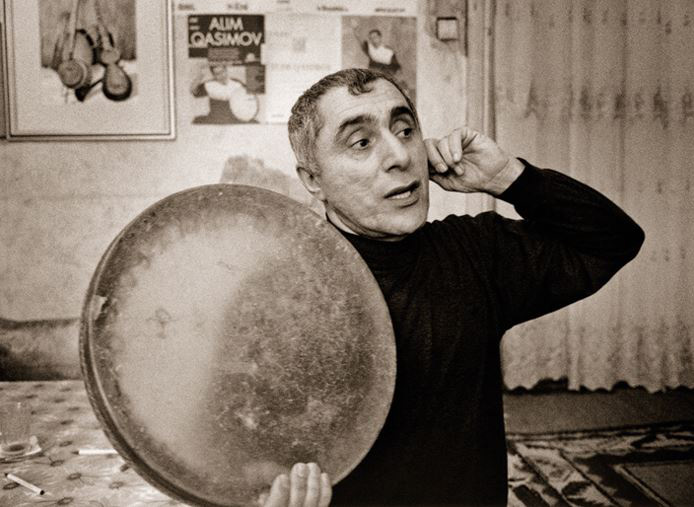
One name you’re sure to come across in a survey of classical Azerbaijani music in our time is that of Alim Qasimov. The beloved musician, who often performs alongside his daughter, Fargana
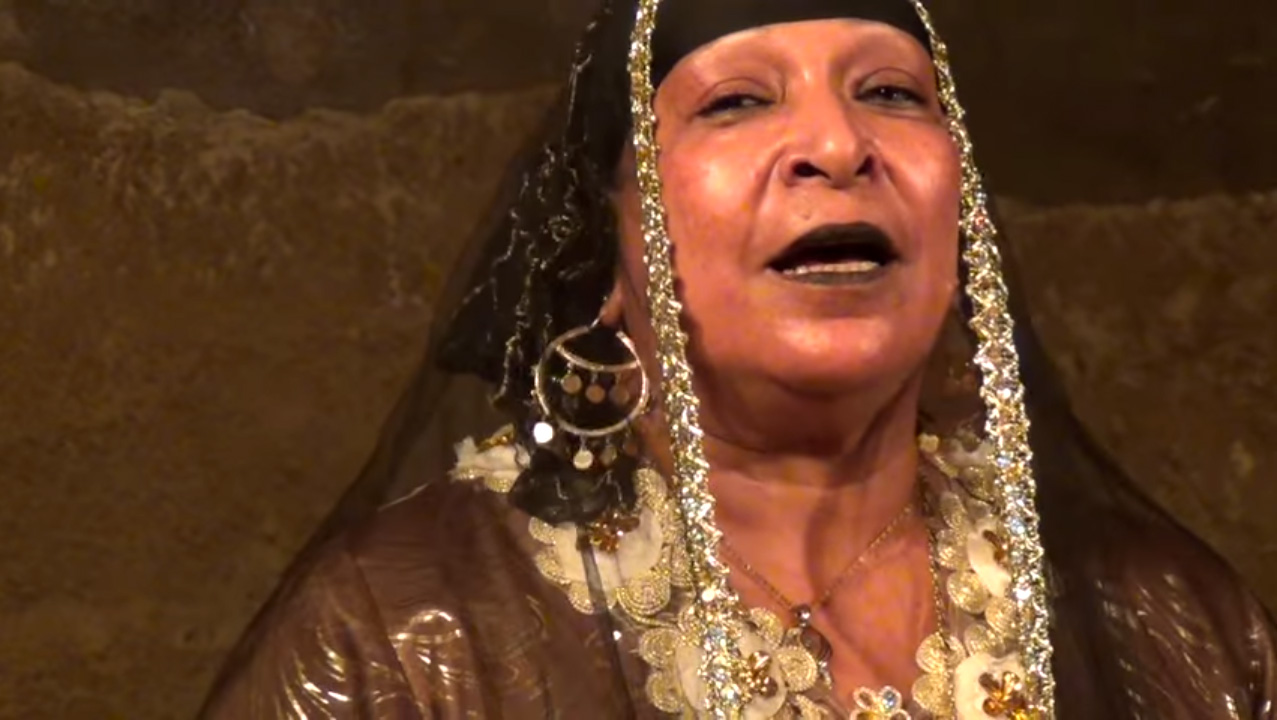
In Egypt, zar ceremonies are used to treat individuals possessed by spirits, or jinn. When jinn inhabit people, they’re believed to remain with the hosts forever
In this audio feature excerpted from the discussion, Che “Rhymefest” Smith gave powerful examples of a song’s ability to change history.
Folklife Magazine explores how culture shapes our lives. We publish stories about music, food, craft, language, celebrations, activism, and the individuals and communities who sustain these traditions.