



Support the Folklife Festival, Smithsonian Folkways Recordings, Cultural Vitality Program, educational outreach, and more.
more
The history of R&B and the breadth of what it encompasses—socially, commercially, and artistically—tells a complex story of many strands and experiences.
Have you ever wondered how a person in a community happens to become a good folk musician?
In honor of the opening of NMAAHC, we have curated a playlist of some of our favorite and most influential African American musicians from Smithsonian Folkways.
What do the Motown sound and hip-hop music have in common? Each is the musical inspiration for a vital dance tradition that thrives in the African American community of Washington, D.C.
The musical traditions of New Orleans are among the most joyous, passionate, and influential sounds to be found in America.
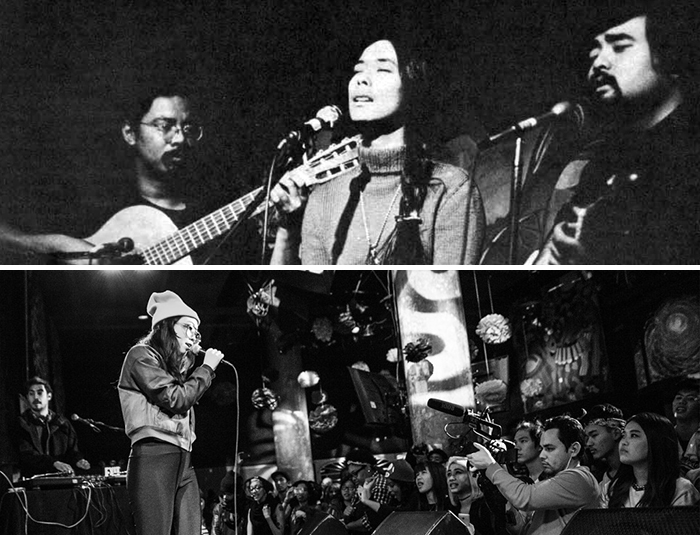
Following the 1965 Hart-Celler act, Asian America was remade, creating distinct generational identities within the larger community.
In 2015, fifty years after the Hart-Celler Immigration and Nationality Act launched an era of accelerated and greatly diversified immigration to the United States, have we achieved a better vantage point?
The Irish began emigrating across the Atlantic in the eighteenth century, with numbers skyrocketing when Ireland’s Great Potato Famine struck.
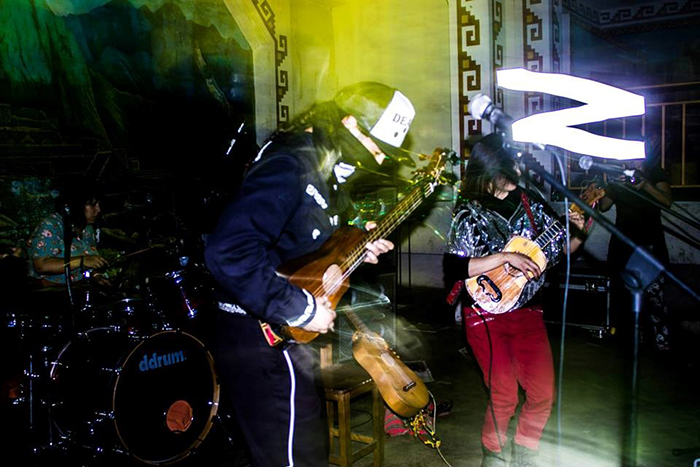
¡Aparato! The word conjures up imagery of mechanization, of machine-man música, perhaps a throbbing techno beat punctuated by a bilingual binary code.
In June and July 2014, more than a hundred culture bearers traveled from China to the National Mall of the United States in Washington, D.C., to participate in the 2014 Smithsonian Folklife Festival program.
Folklife Magazine explores how culture shapes our lives. We publish stories about music, food, craft, language, celebrations, activism, and the individuals and communities who sustain these traditions.