
Magazine Feed
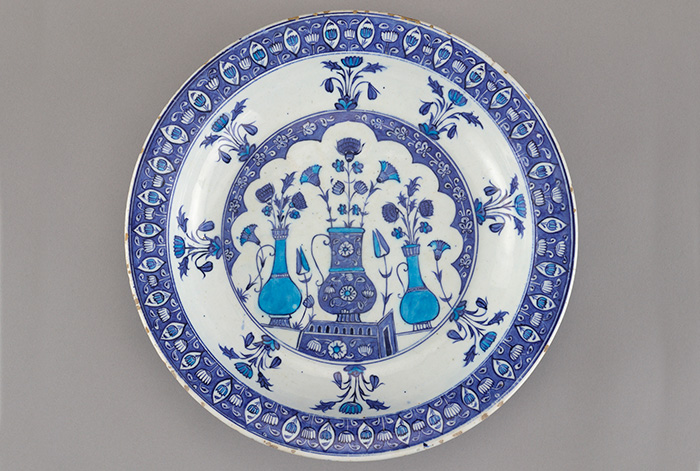
In Kütahya, a western Turkish city known for its ceramic ware or çini, tiles and plates feature a variety of design motifs, both classical and contemporary.

These two hand-formed coffee pots, known as dallah (دلة), were gifts from the Omani government during the 2005 Folklife Festival program on Oman.
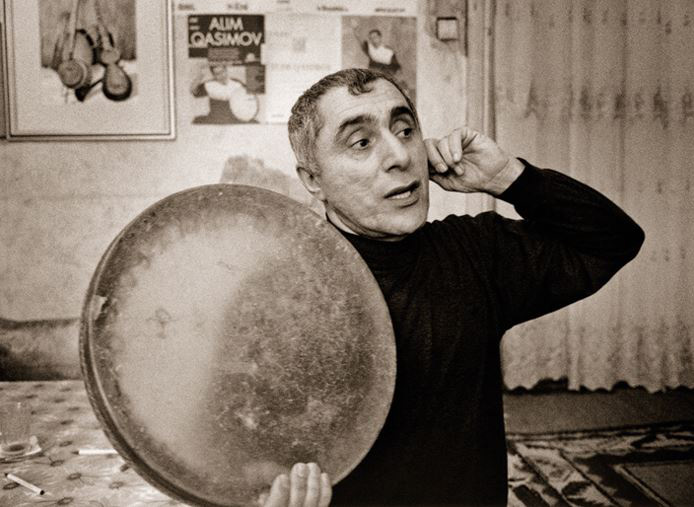
One name you’re sure to come across in a survey of classical Azerbaijani music in our time is that of Alim Qasimov. The beloved musician, who often performs alongside his daughter, Fargana
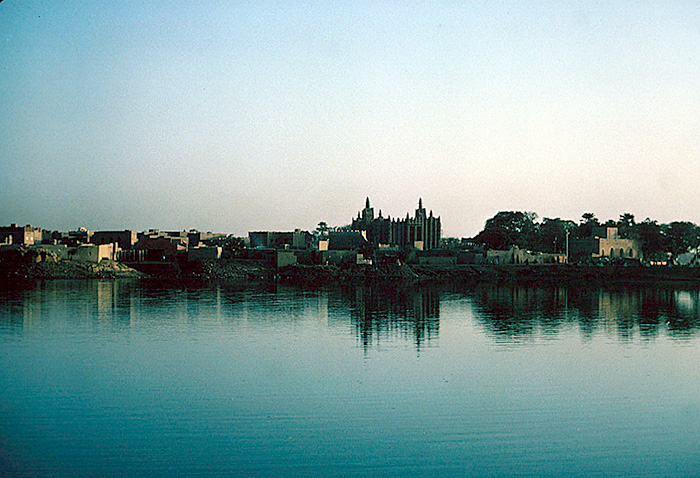
The largest adobe building in the world is located Djenné, Mali. Built in 1907 and towering above the town’s central square, the Great Mosque of Djenné is a prime example of Western Sudanic architecture.
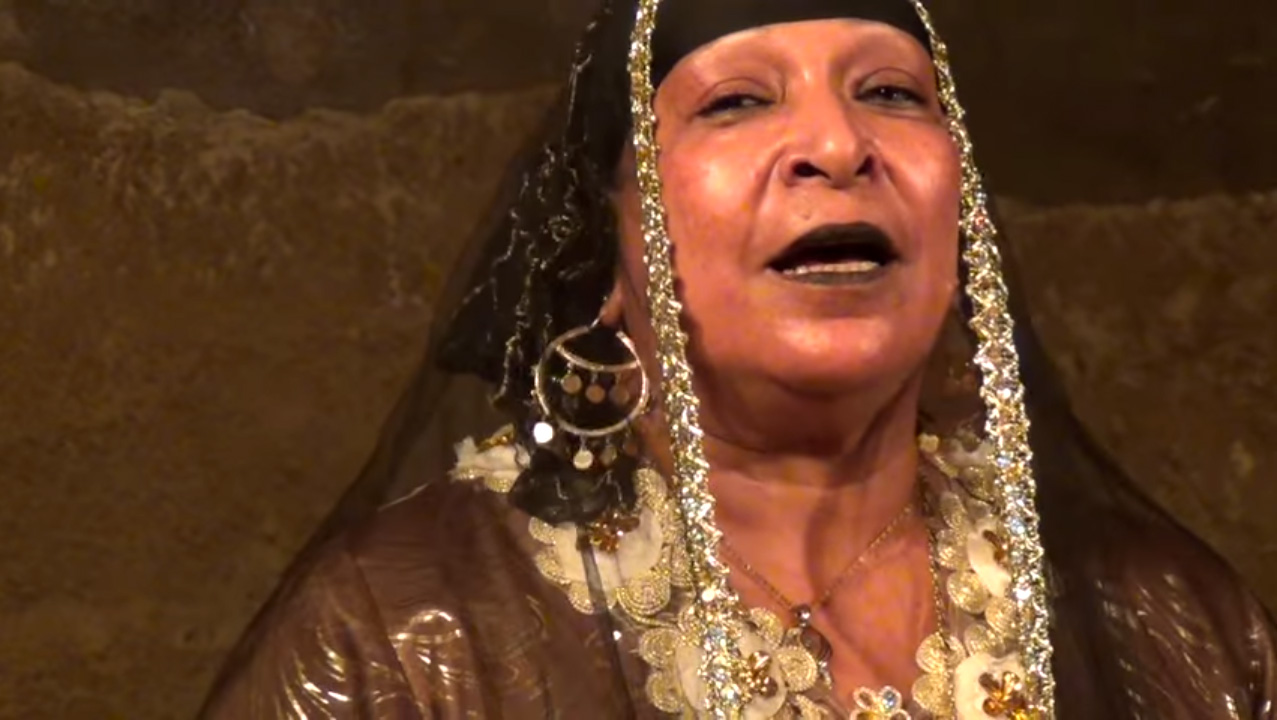
In Egypt, zar ceremonies are used to treat individuals possessed by spirits, or jinn. When jinn inhabit people, they’re believed to remain with the hosts forever
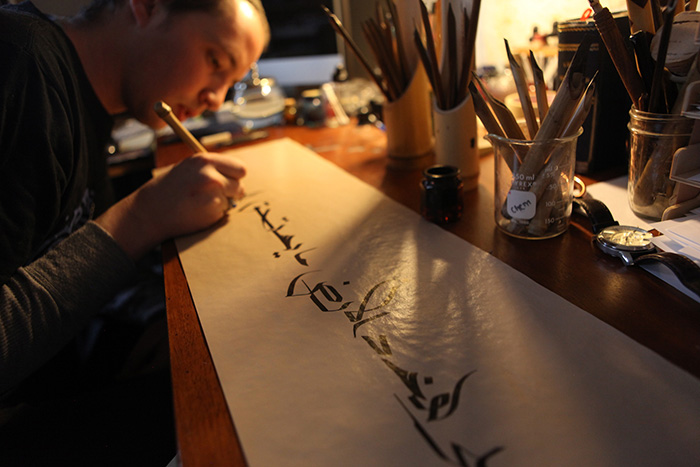
For Josh Berer, a D.C.-based professional calligrapher currently co-leading a calligraphy and bookmaking workshop at the Smithsonian’s Sackler Gallery, there’s much to see in the museum’s new exhibition

At the age of four, I first became cognizant of the date. No, not the date wherein two people meet to get to know each other, but rather the fruit.
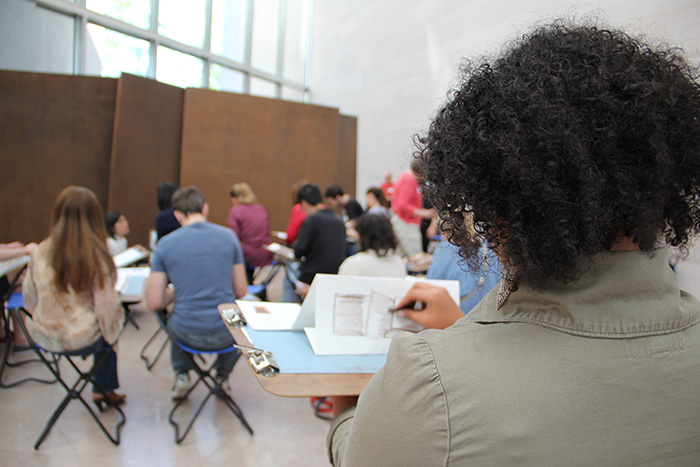
Long considered austere, labyrinthine institutions, museums are keeping pace in today’s cultural landscape with new educational programming focused squarely on visitors.
The Smithsonian’s Recovering Voices Initiative will present films from across the globe on the occasion of its second annual Mother Tongue Film Festival.

In “The Urgency of Empathy and Social Impact in Museums,” Mike Murawski, director of education and public programs at the Portland Art Museum, called on museums to foster dialogue
Folklife Magazine explores how culture shapes our lives. We publish stories about music, food, craft, language, celebrations, activism, and the individuals and communities who sustain these traditions.