
Magazine Feed

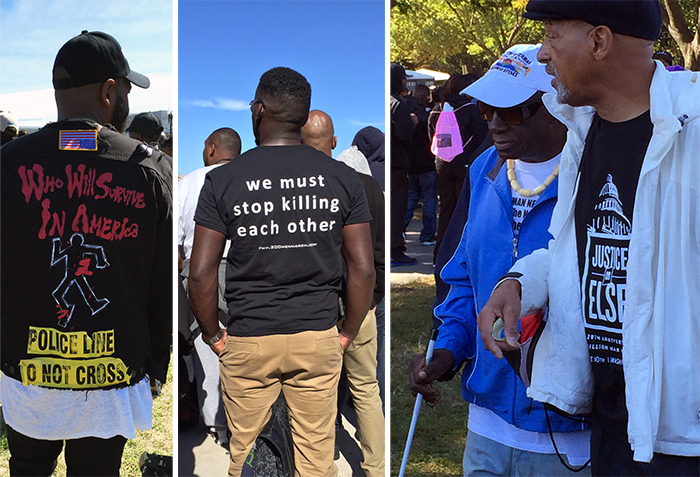
My internship at the Center is focused on The Will to Adorn, a project developed by Folklife curator Diana N’Diaye exploring African American dress and identity.
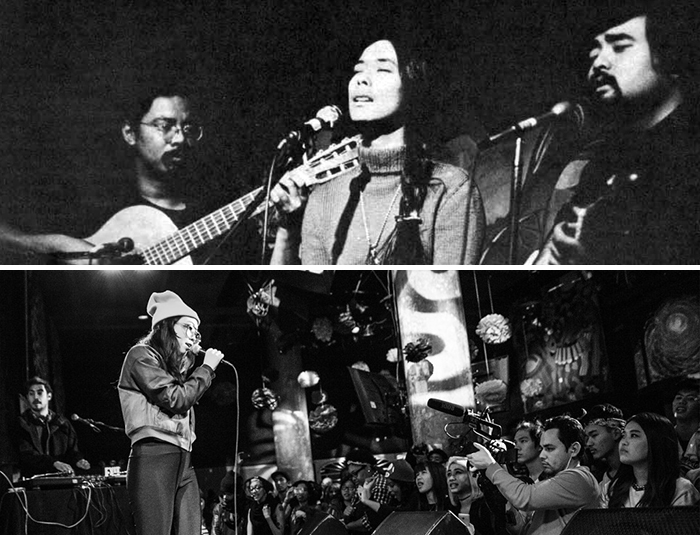
Following the 1965 Hart-Celler act, Asian America was remade, creating distinct generational identities within the larger community.
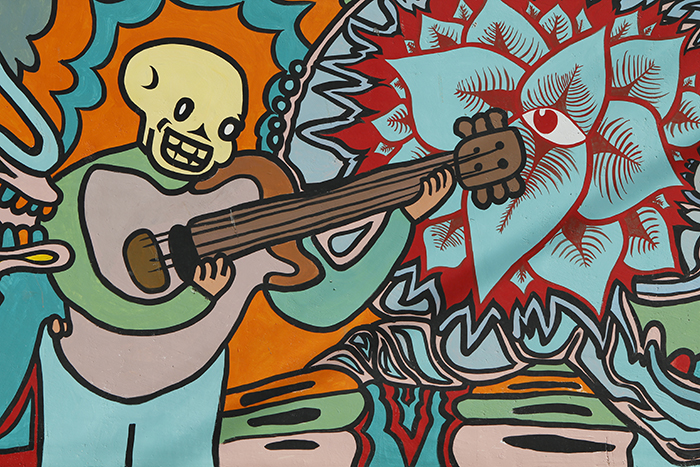
In 2015, fifty years after the Hart-Celler Immigration and Nationality Act launched an era of accelerated and greatly diversified immigration to the United States, have we achieved a better vantage point?

I am Japanese and white—and have often been self-conscious of being both simultaneously. In most of my college classes, I am the only student of color.
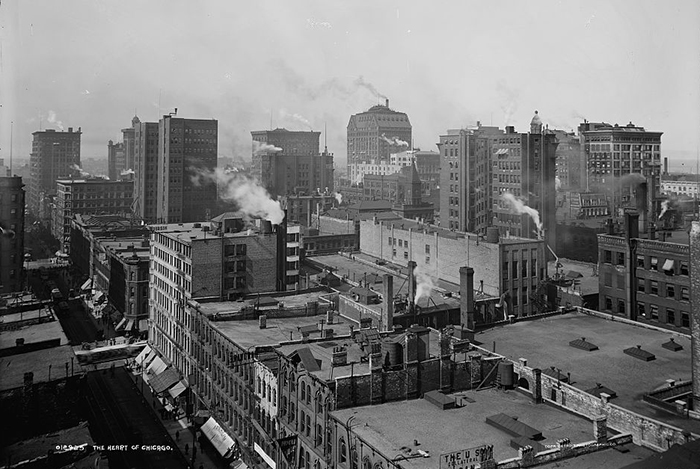
Many Voices, One Nation is an upcoming exhibition in the Smithsonian National Museum of American History’s newly renovated Second Floor West Wing.
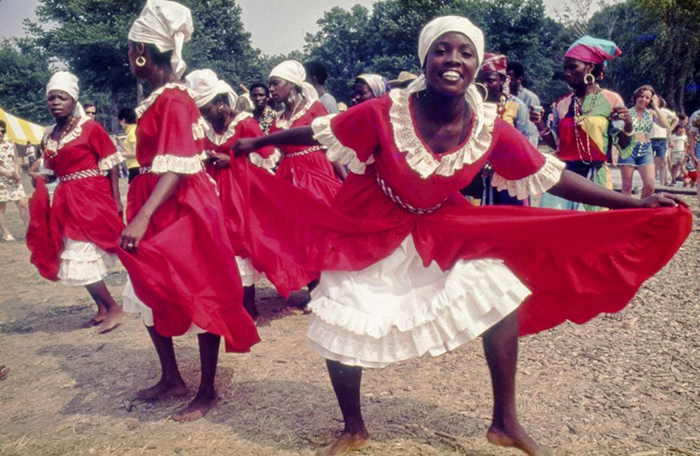
The early years of the Folklife Festival prominently featured a series of programs showcasing “Old Ways in the New World,” which began in 1973 and continued through 1981.

The Irish began emigrating across the Atlantic in the eighteenth century, with numbers skyrocketing when Ireland’s Great Potato Famine struck.

Economic hardships, a shortage of affordable housing, religious persecution, the threat of disease, and even the effects of climate change may force people to move.

While developing the Perú: Pachamama program for the 2015 Smithsonian Folklife Festival, we circled around the question of “Peruvian-ness.”
Folklife Magazine explores how culture shapes our lives. We publish stories about music, food, craft, language, celebrations, activism, and the individuals and communities who sustain these traditions.