



In the Shrine
The practice of Tibetan Buddhism is central to nomadic life on the Tibetan Plateau—not only in the monasteries for which the region is justly famous, but also in the homes of individuals.
This section of the exhibition highlights some of the most important traditions associated with religious life and shrines: painting thangkas, sculpting bronze figures, silversmithing, goldsmithing, and pottery-making. These aspects of Making on the Tibetan Plateau are both diverse and essential to traditional culture.
-
 Tibetan Buddhism
The learning and practice of Tibetan Buddhism, especially in its philosophical exploration and scholastic advancement, is evident in Tibetan monasteries through vigorous study, complex rituals, and meditative practices.
More -
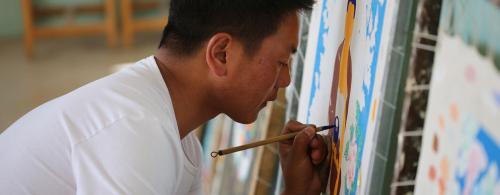
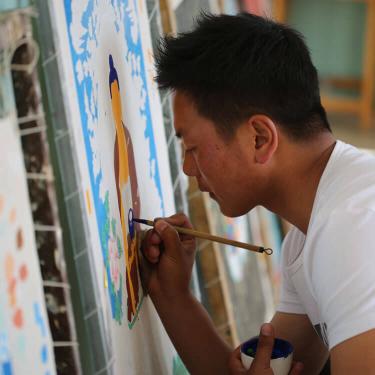
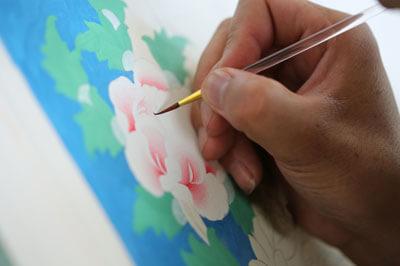 Thangka Painting
To paint a deity, for many traditional Tibetan artists, is an act of worship. Painters Shawo Dukgyal and Shawo Thar work in Rebgong, a region famous for its thangkas, traditional Tibetan scroll paintings.
More -
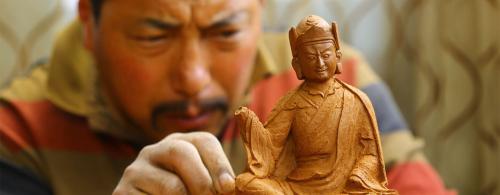
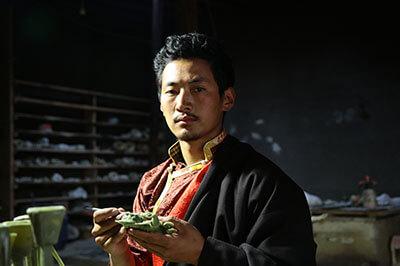 Bronze Work
Master Tibetan bronze artist Nima and his son and apprentice, Dawa Dakpa, are the sixth and seventh generations of the Khyentse bronze lineage. The father and son carry on the tradition.
More -
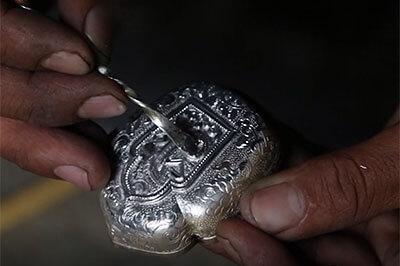 Silversmithing & Goldsmithing
Historically speaking, silversmithing and goldsmithing were essential to the making of statues through different metals and gilding practices. The use of silver and gold is often traced to dynastic times.
More -
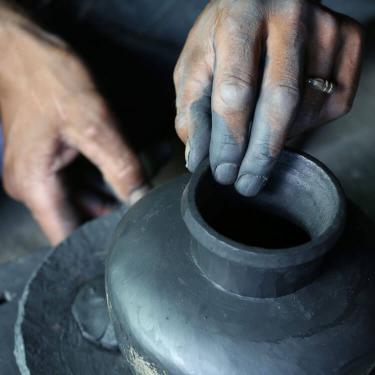
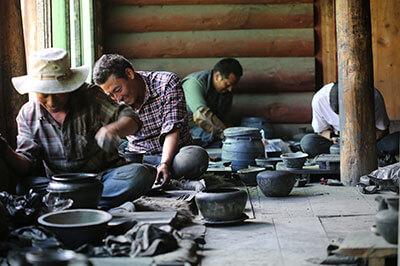 Black Pottery
Pottery wares are common in Tibetan cultural regions. They are used as daily utensils (such as plates, bowls, alcohol and water containers, teapots, and urns) and for storing food.
More
Support the Folklife Festival, Smithsonian Folkways Recordings, Cultural Vitality Program, educational outreach, and more.