





Support the Folklife Festival, Smithsonian Folkways Recordings, Cultural Vitality Program, educational outreach, and more.
more
It’s almost hard to believe Rind is home to a world-renowned winemaking facility. “We’re in the remotest village in Yeghegnadzor,” Zorik Gharibian says proudly.
The enormous 240-gallon clay vessel, or karas, was nestled snugly in the corner of Asli Saghatelyan’s maran (storage cellar) in Chiva, a modest village in the Vayots Dzor region of Armenia.
These two hand-formed coffee pots, known as dallah (دلة), were gifts from the Omani government during the 2005 Folklife Festival program on Oman.
At the age of four, I first became cognizant of the date. No, not the date wherein two people meet to get to know each other, but rather the fruit.
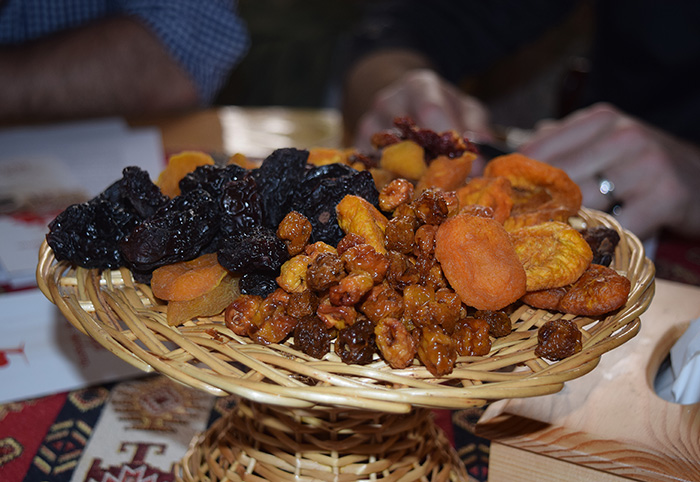
On a low table in the backyard of a home in Voskevaz, Armenia, lay a plate of dried fruit confections. We were invited to help ourselves.
For as long as they have lived in the country’s highlands, Armenians have harvested the indigenous edible green plants, transforming them into cherished dishes.
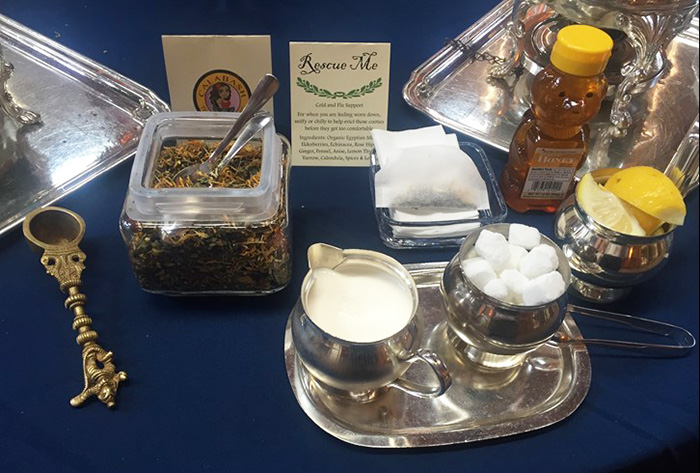
We decided to turn the reception into a “Healing High Tea” with finger foods featuring medicinal herbs.
Armenia holds a remarkable depth and diversity of cultural and natural landscapes, all within an area approximately the size of the state of Maryland.
Light filters in from an open window over mounds of dough resting in Rima Timbaryan’s kitchen. Kindling crackles as it turns to ash in the tonir, and the sounds of women singing drift into the room.
My mom was born in Cuba but fled with her family in 1959. They settled in Puerto Rico, where she spent much of her early life.
Folklife Magazine explores how culture shapes our lives. We publish stories about music, food, craft, language, celebrations, activism, and the individuals and communities who sustain these traditions.