
Magazine Feed

Five on the Black Hand Side is a project exploring gestural languages that were born in African American communities during the 1960s and 1970s, including the “the dap” and the black power handshake.
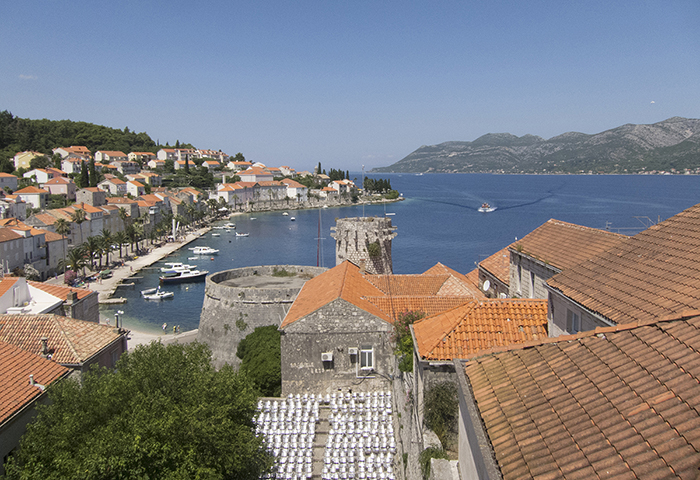
In July, I spent eleven exhilarating days with colleagues from many countries in the International Council for Traditional Music’s Study Group on Ethnochoreology.
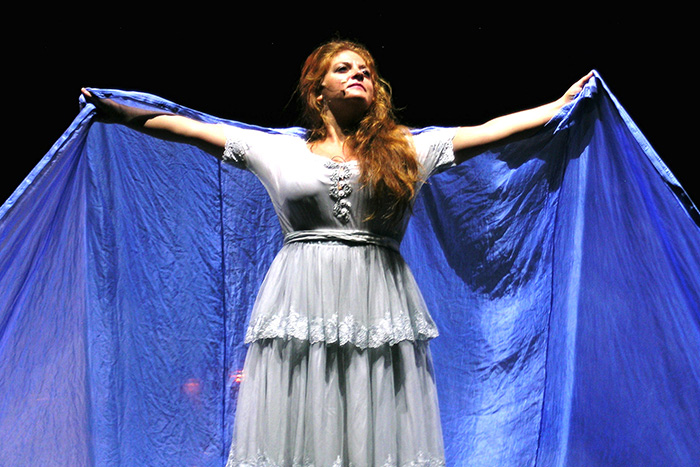
We at the Center for Folklife and Cultural Heritage often say that the Smithsonian Folklife Festival never ends. Of course, in a physical sense it does end, usually on the Sunday following the Fourth of July.
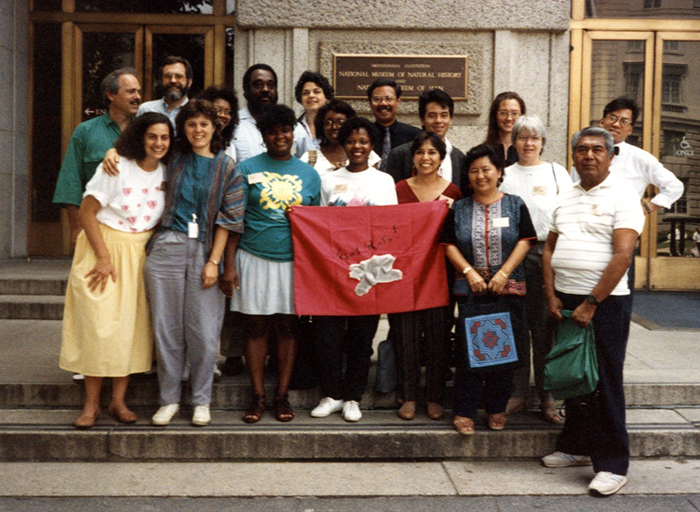
As mascots go, a dead rat found in an alley on the way to the Metro train, slowly becoming flatter every day it was passed, might not seem very inspiring.

My experience in Peru is very limited, but I did catch a glimpse of the Andean country’s uncompromising verticality.
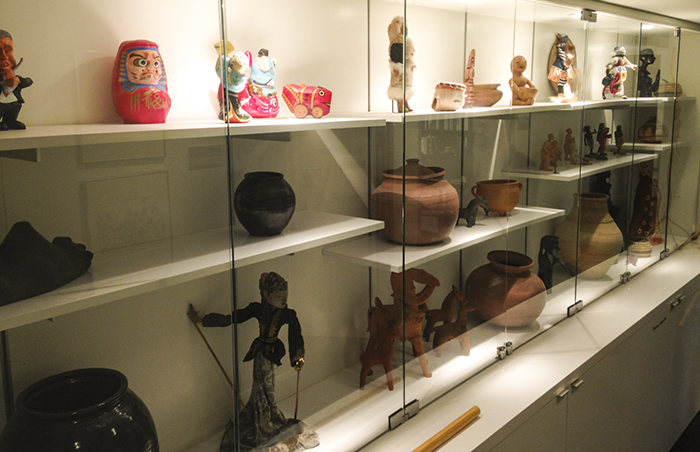
Over the nearly five decades of the Smithsonian Folklife Festival, participating artists have generously donated many of the objects they created while in Washington, D.C., to the Center for Folklife and Cultural Heritage.
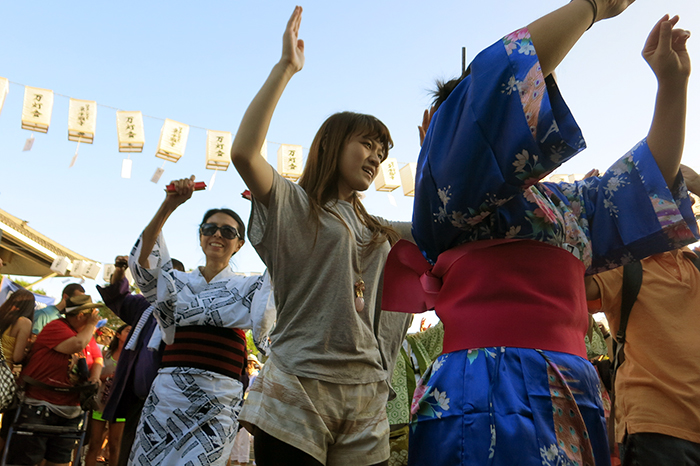
No doubt about it, Los Angeles is a place infamous for its fractures—pulled apart across an expansive geography by forces of nature and disparities in its social and political economy.
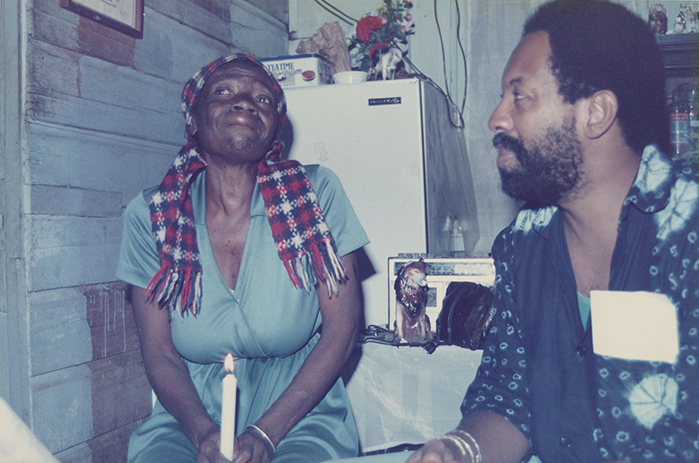
Imogene Kennedy, or Queenie as we called her, was a queen and tradition bearer of Kumina, a Congolese religion that established roots in Jamaica after Emancipation in the 1850s by indentured African laborers and continues today among certain Jamaican comm
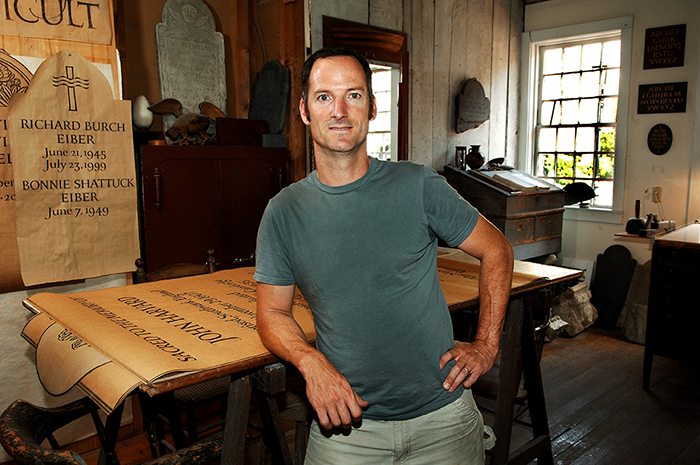
Nick Benson is a third-generation stone carver and letterer who specializes in hand-carved gravestones and elegant architectural lettering for public buildings, memorials, and monuments.
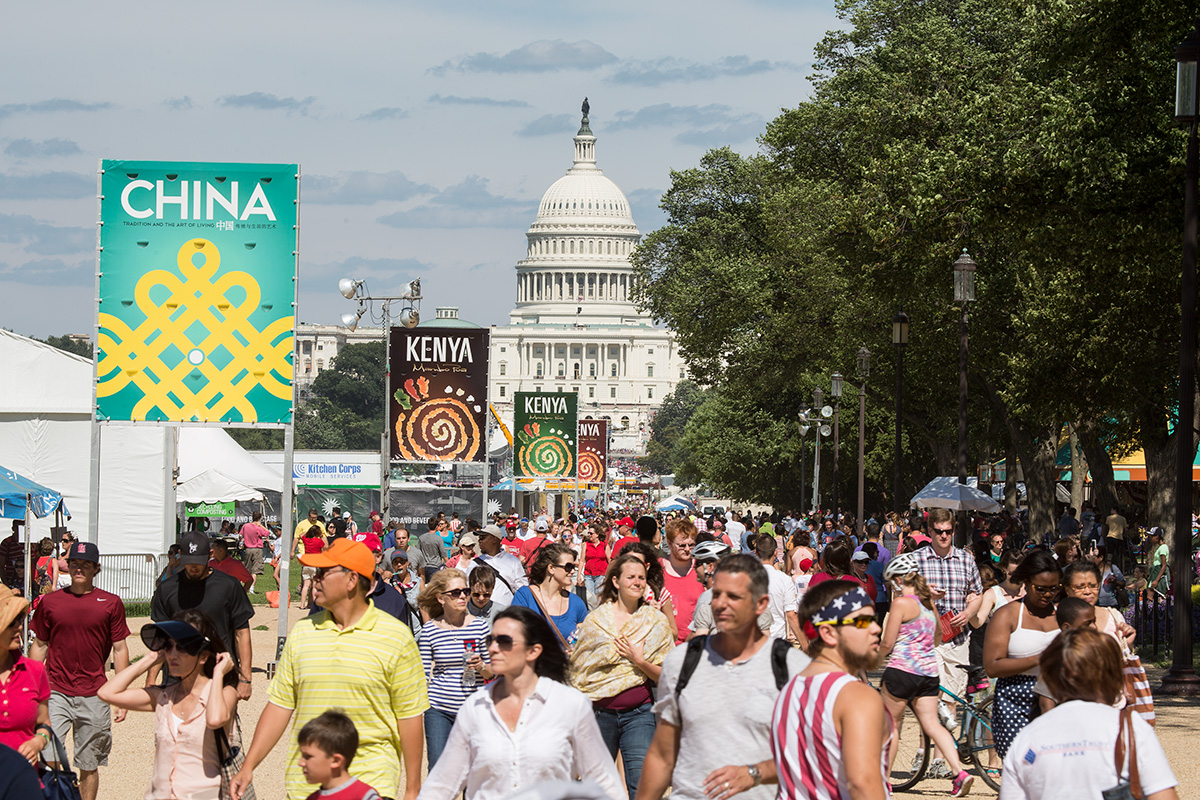
For the past two years, I have supervised the annual visitor survey for the Smithsonian Folklife Festival.
Folklife Magazine explores how culture shapes our lives. We publish stories about music, food, craft, language, celebrations, activism, and the individuals and communities who sustain these traditions.